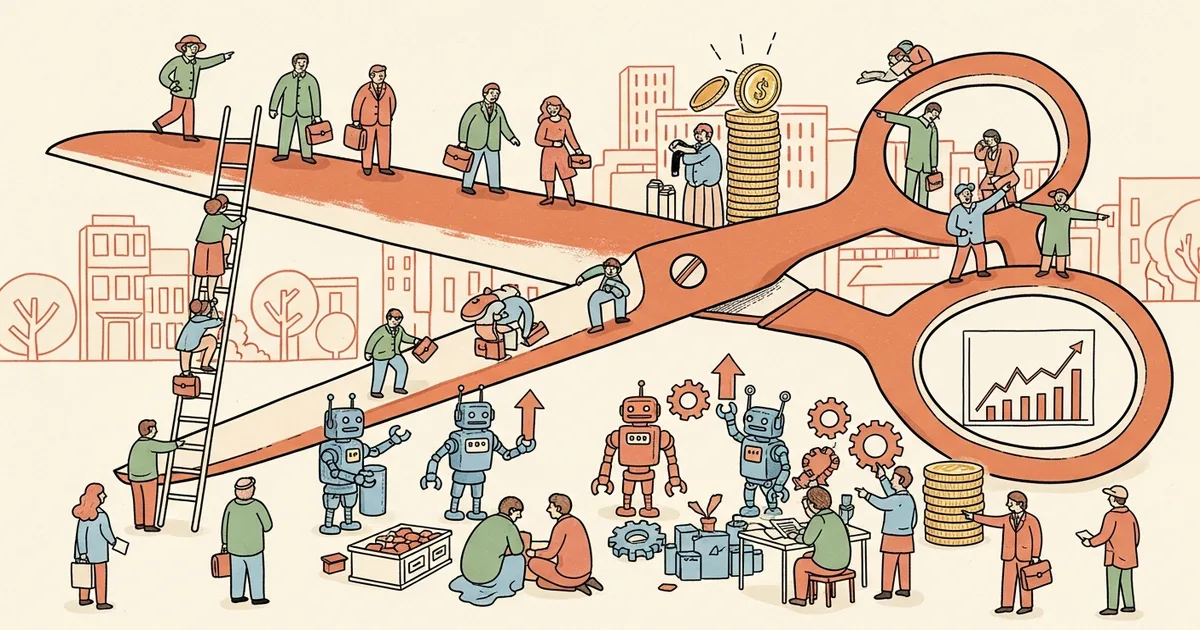
- Snap is eliminating approximately 1,000 positions — 16 percent of its total workforce — and closing more than 300 open roles.
- CEO Evan Spiegel cited AI-enabled small teams already driving gains in Snapchat+, ad platform performance, and Snap Lite infrastructure efficiency.
- The company projects savings exceeding $500 million by the second half of 2026, targeting net-income profitability.
- Affected employees will receive four-month severance packages including healthcare and other benefits.
What Happened
Snap announced it is laying off approximately 1,000 employees — 16 percent of its workforce — and closing more than 300 open positions, according to Engadget, which obtained a company-wide memo from CEO Evan Spiegel. The announcement marks Snap’s fourth consecutive year of significant headcount reductions, following cuts of approximately 20 percent in 2022 and additional layoffs in both 2023 and 2024.
North America-based staff were instructed to work from home on the day of the announcement. Affected employees were notified by email and offered four-month severance packages, including healthcare coverage and other entitlements.
Why It Matters
Snap’s restructuring follows a pattern of AI-justified workforce reductions across the technology sector. Amazon, Fiverr, Microsoft, and Pinterest each cited AI efficiency gains as a rationale for headcount reductions over the past year.
Snap has not achieved net-income profitability despite four successive years of layoffs. Spiegel’s memo explicitly frames the current cuts as necessary to establish “a clearer path to net-income profitability,” linking AI adoption directly to the company’s financial restructuring rather than treating it as a standalone operational initiative.
Technical Details
Spiegel named three specific areas in his memo where he said small, AI-augmented teams had already demonstrated productivity gains: Snapchat+, the company’s premium subscription tier; ad platform performance; and efficiency improvements within Snap Lite infrastructure, the lightweight app version built for low-bandwidth markets.
“We have already witnessed small squads leveraging AI tools to drive meaningful progress across several important initiatives, including Snapchat+, enhanced ad platform performance, and efficiency improvements in our Snap Lite infrastructure,” Spiegel wrote.
The company projects savings exceeding $500 million by the second half of 2026, primarily through reduced payroll costs. Snap did not provide specific productivity metrics comparing AI-augmented teams against larger conventional teams, nor did it disclose which AI vendors or tools it intends to expand. The memo represents Spiegel’s characterization of internal team performance, not independently verified output data. The closure of more than 300 open roles extends the effective workforce reduction beyond the 1,000 direct terminations.
Who’s Affected
The approximately 1,000 employees being let go span departments Snap has not publicly specified. Advertisers and partners who rely on Snap’s sales and support infrastructure may see altered service arrangements as smaller, AI-augmented teams absorb those functions.
Snap’s Snapchat+ subscriber base — which Spiegel named as a product area where AI tooling is already active — will likely experience product development changes reflecting reduced engineering and product headcount. The company’s creator and developer ecosystem may also see diminished capacity in partner-facing roles.
What’s Next
Snap is expected to release a consumer version of its Specs AR glasses later in 2026. The company recently spun the Specs brand off into a separate business entity ahead of that launch, a structural move that predates the current layoffs.
The $500 million savings target is projected for the second half of 2026, meaning the restructuring’s financial impact will not be fully measurable until that period. Spiegel’s memo did not specify a timeline for demonstrating that AI tooling can sustain product and service quality at the reduced headcount.