- A April 17, 2026 Economist analysis concluded Iran has achieved greater operational effectiveness than rival states in deploying AI for influence operations.
- Iranian-linked networks have used large language models to generate politically targeted propaganda in multiple languages, with disruptions documented by OpenAI, Meta, and Microsoft.
- OpenAI’s May 2024 takedown of an Iranian-linked covert influence network demonstrated the capacity to use commercial AI tools to automate article and social media content production at scale.
- Western platform companies maintain the primary defensive line against these operations, with no coordinated regulatory framework specifically covering AI-generated state propaganda.
What Happened
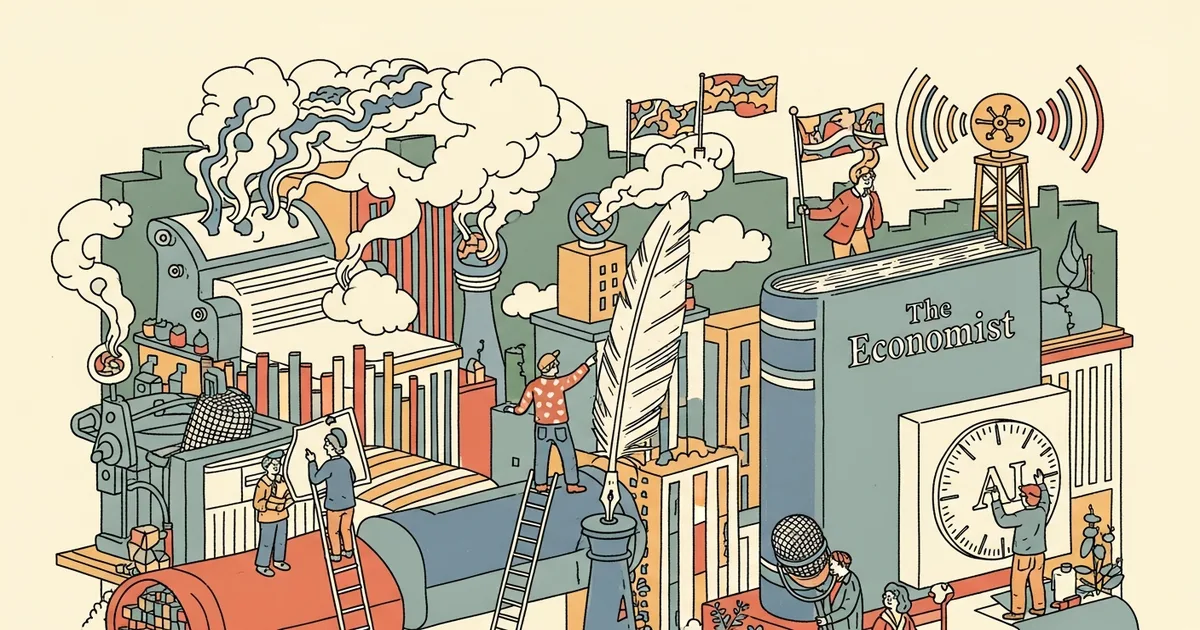
The Economist published an analysis on April 17, 2026 concluding that Iran has established a measurable operational lead over other state actors — including Russia and China — in using artificial intelligence to conduct propaganda and influence operations. The piece examines how Iranian-linked networks have adapted commercial AI tools to automate content production, achieve multilingual reach, and target specific audience segments in Western democracies.
Why It Matters
The Economist’s assessment reflects a documented pattern across multiple platform threat reports. In May 2024, OpenAI’s threat intelligence team identified and disrupted an Iranian-linked covert influence network that had used ChatGPT to generate articles on US electoral politics, the Israel-Gaza conflict, and celebrity commentary, then distributed the content through five websites designed to impersonate independent news outlets. Ben Nimmo, who served as OpenAI’s head of global threat intelligence, described the operation as one of several state-linked networks using AI “to generate high volumes of content more quickly than would be possible with human writing teams alone.”
Meta’s Q3 2024 Adversarial Threat Report separately documented an Iranian coordinated inauthentic behavior network operating across Facebook and Instagram, while Microsoft’s 2024 Digital Defense Report identified Iran among the most operationally active state actors in AI-enabled information operations. Russia’s Internet Research Agency and China’s Spamouflage network have deployed comparable AI-assisted tools, but platform companies reported faster detection and takedown cycles for those operations compared to Iranian-linked networks.
Technical Details
The Iranian network disrupted by OpenAI in May 2024 generated content in at least four languages — English, French, Spanish, and Hebrew — indicating deliberate geographic and demographic targeting. The operation used large language models to produce long-form articles, social media commentary, and translated variants of that content simultaneously, tasks that previously required dedicated human writing and translation staff. Meta’s parallel takedown covered more than 900 fake accounts linked to the Iranian network across its platforms.
According to OpenAI’s published threat report, the network showed no evidence of having built a meaningful organic audience before disruption — a finding that suggests detection is still outpacing engagement for these operations, though the gap between deployment and discovery remains measured in weeks rather than hours.
Who’s Affected
Documented Iranian AI influence operations have primarily targeted audiences in the United States, United Kingdom, Israel, and Gulf states. The content has focused on politically contentious domestic issues in target countries, including electoral politics and foreign policy debates, rather than purely geopolitical messaging. Platform trust-and-safety teams at OpenAI, Meta, Google, and Microsoft are the operational first line of detection; government agencies including the US Cybersecurity and Infrastructure Security Agency have issued advisories on AI-enabled foreign influence but have not enacted binding rules specific to AI-generated state propaganda.
What’s Next
The Economist analysis appeared ahead of multiple Western electoral cycles scheduled for 2026 and 2027, periods which open-source researchers and government threat assessments have flagged as likely targets for intensified AI-enabled influence operations. OpenAI, Meta, and Microsoft have each stated commitments to expanding automated detection for coordinated inauthentic behavior, though their published disruption reports consistently note that detection lags operational deployment by days to weeks. Platform companies have not publicly disclosed detection accuracy rates or false-negative estimates for AI-generated state influence content.