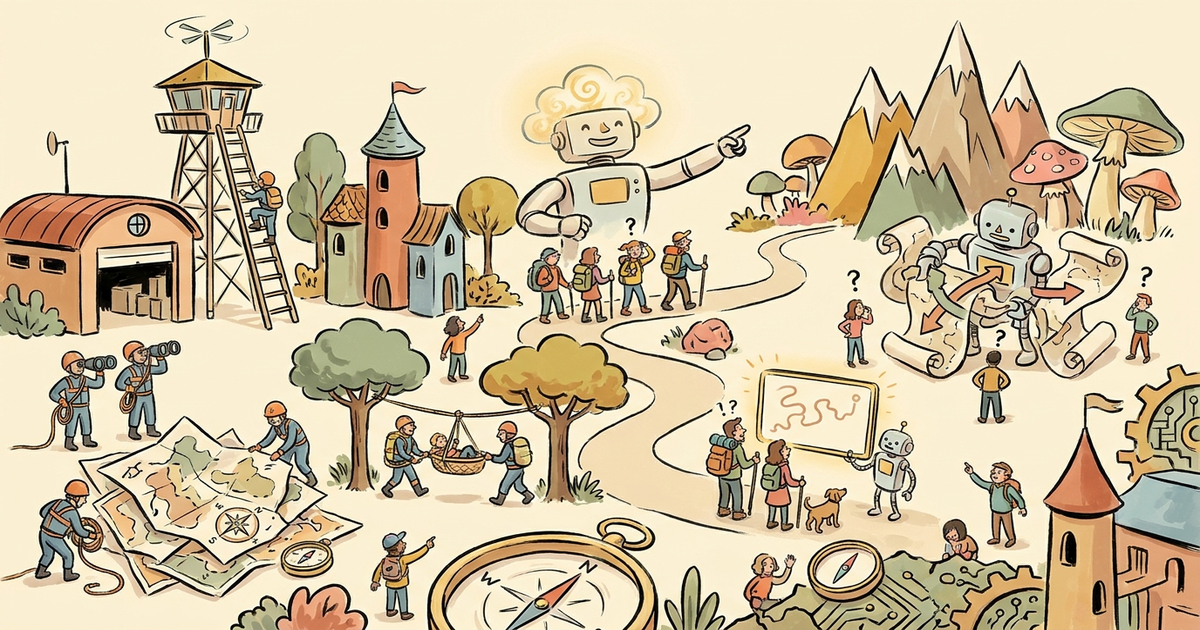
- Wired, reporting with High Country News, documented backcountry incidents in California, Wyoming, and British Columbia involving hikers who relied on AI chatbots for trip planning.
- Grand Teton National Park says the share of visitors reporting AI use for travel information rose from zero to 26 percent over the past year.
- A 16-year-old hiker needed a helicopter rescue from a ledge on Crown Mountain in British Columbia after using Anthropic’s Claude to help plan the climb.
- Clemson researcher Chris Flathmann describes a “cognitive surrender” effect, in which people stop applying their own judgment once they lean on a chatbot’s advice.
What Happened
Wired, reporting with High Country News, documented multiple backcountry incidents in which hikers relied on AI chatbots such as Google’s Gemini and Anthropic’s Claude for trip planning, including three hikers rescued from Mount Shasta in Northern California on November 1, 2026 after under-preparing based partly on Gemini’s guidance.
Why It Matters
The reports add a concrete safety dimension to a broader pattern of AI-driven misinformation already documented in other contexts, including research showing chatbots misrepresent news content. Grand Teton National Park Superintendent Chip Jenkins said the share of visitors reporting AI use for travel information “went from zero to 26 percent” over the past year.
Technical Details
The US Forest Service’s Mount Shasta Wilderness Climbing and Avalanche Center averages about a dozen rescues annually, and 2026 is tracking close to that average; Wyoming search-and-rescue calls fell to 312 so far in 2026 from 466 in 2025. Clemson human-centered computing professor Chris Flathmann said chatbot reliance can trigger “cognitive surrender,” where people disengage their own judgment.
Who’s Affected
Hikers and backcountry visitors using AI tools for route planning; park services and search-and-rescue teams in California, Wyoming, and British Columbia already managing steady call volumes; and chatbot makers like Google and Anthropic, whose tools are being used for a purpose they weren’t designed for — a pattern consistent with broader concerns about chatbot accuracy in other high-stakes contexts.
What’s Next
Park officials say current data does not yet show whether rising AI use is increasing backcountry accidents, with rescue call volumes so far mixed across regions. Search-and-rescue veterans note AI chatbots are the latest in a line of tools — following GPS apps and social media — that have reshaped how people get into trouble outdoors.