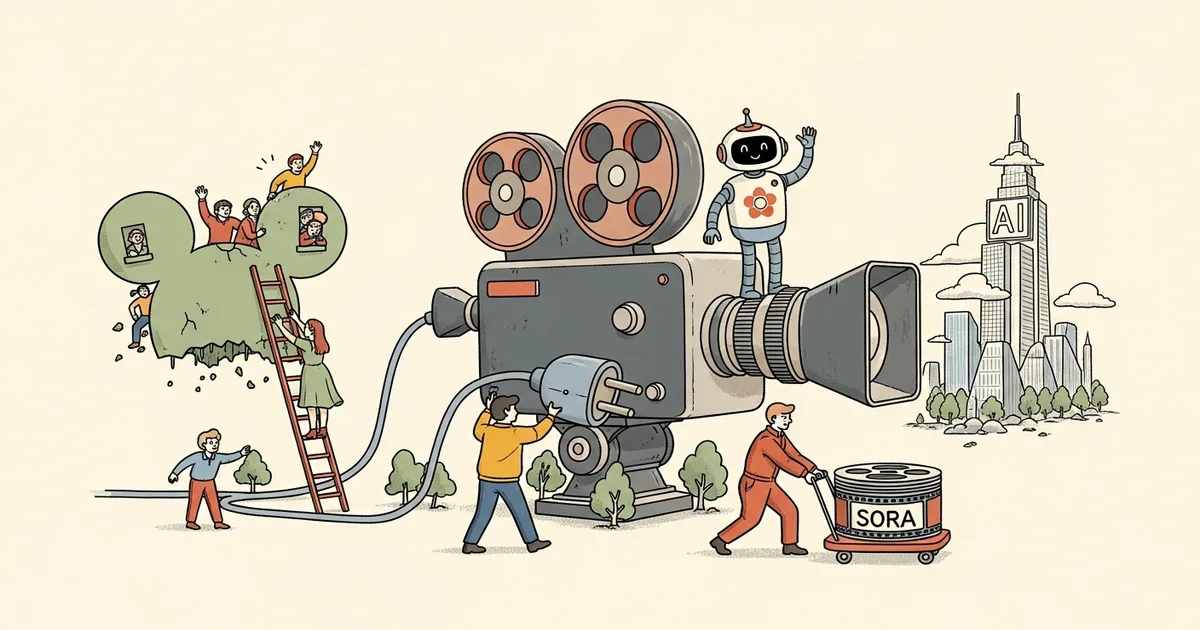
- OpenAI shut down Sora, its AI video generation app, on March 24, 2026, after an unsustainable $1 million daily burn rate over six months of operation.
- Disney exited a $1 billion planned investment in OpenAI and terminated a three-year licensing deal that would have brought over 200 Disney, Marvel, Pixar, and Star Wars characters to the platform.
- Sora accumulated 3.3 million downloads but active users dropped below 500,000, and the app earned only $2.1 million in total in-app purchases across its lifetime.
- Copyright complaints from Hollywood studios and international animation creators contributed to mounting legal pressure on the platform.
What Happened
OpenAI announced on March 24 that it will discontinue Sora, its standalone AI video generation app, after roughly six months of operation. The same day, Disney confirmed it has dropped plans for a $1 billion investment in OpenAI and terminated the associated content licensing agreement.
“We’re saying goodbye to Sora. To everyone who created with Sora, shared it, and built community around it: thank you,” OpenAI’s Sora team wrote in a statement. The company provided no official explanation for the shutdown beyond this message.
Why It Matters
The Sora shutdown marks one of the most high-profile product failures in the generative AI era. The app hit number one on the iOS App Store at launch and accumulated 3.3 million downloads with approximately 1 million daily active users in its first week. But engagement cratered rapidly. Active users fell below 500,000, with most treating the app as a free novelty rather than a professional creative tool worth paying for.
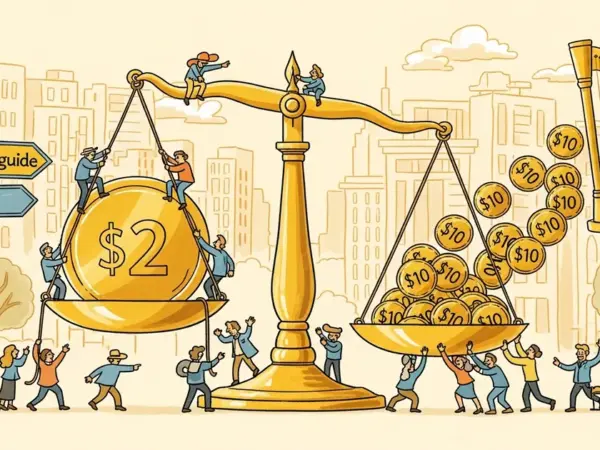
The economics were unsustainable. Each 10-second video clip cost OpenAI $1.30 to generate. The app earned only $2.1 million in total lifetime in-app purchases against a daily operating cost of roughly $1 million. Over six months, that translates to approximately $180 million in operating costs against negligible revenue, a gap that no amount of user growth could realistically close at those unit economics.
The Disney deal collapse compounds the damage. Losing a $1 billion investment commitment from one of the world’s most powerful media companies sends a signal to other potential enterprise partners about the stability of OpenAI’s consumer product strategy.
Technical Details
The Disney partnership, signed approximately three months before the shutdown, was structured as a three-year licensing agreement. Under the deal, Sora would have been able to generate user-prompted videos featuring more than 200 masked, animated, or creature characters from Disney, Marvel, Pixar, and Star Wars properties. Plans included Sora-generated videos appearing on Disney+ as a new content category.
Disney reportedly received only one hour of notice before the public announcement, leaving executives scrambling for alternative AI partners. A Disney spokesperson confirmed the company will continue exploring AI tools while prioritizing intellectual property protection.
Copyright issues compounded the financial problems. Users generated content that violated copyrights across properties from Dragon Ball Z to SpongeBob SquarePants. Japanese animation studios demanded content removal in November 2025. Sora’s controversial opt-out model required rights holders to actively request removal of their copyrighted material rather than granting upfront permission, drawing demands from the Motion Picture Association to halt violations.
Who’s Affected
Content creators who built workflows around Sora face immediate disruption. OpenAI committed to sharing timelines and data preservation details but has not provided specifics on how users can recover their generated content or project files. Disney’s creative and technology teams must now identify alternative AI video generation partners for their content strategy.
OpenAI itself absorbs significant reputational damage. The rapid shutdown of a flagship consumer product, barely six months after a high-profile launch, raises questions about the company’s ability to ship sustainable products beyond ChatGPT. Investors and enterprise customers may weigh this track record when evaluating future OpenAI product commitments. Competitors in the AI video space, including Runway, Pika, and Google’s Veo, now operate without Sora as a rival but also inherit the cautionary lesson about the gap between viral consumer interest and viable business models.
What’s Next
OpenAI is reportedly redirecting resources from consumer video generation toward robotics and enterprise tools. The company has not announced whether Sora’s underlying video generation technology will be integrated into other products or licensed to third parties. For Disney, the search for AI-powered character video generation continues, but the Sora collapse is likely to make future entertainment-AI partnerships more cautious, with longer trial periods and stronger contractual protections before billion-dollar commitments are made.