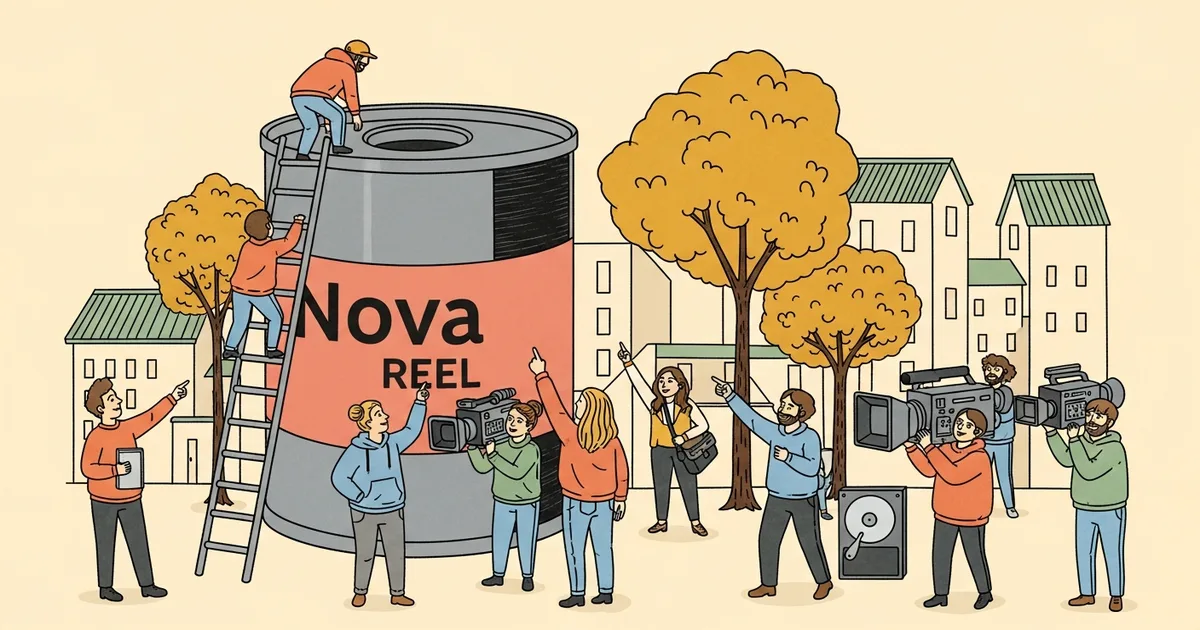
- A proposed class action filed in federal court in Seattle alleges Amazon scraped millions of YouTube videos without creator consent to train its Nova Reel generative AI video model.
- The complaint claims Amazon used virtual machines and rotating IP addresses to circumvent YouTube’s bulk-download protections.
- Plaintiffs include Ted Entertainment — the company behind the H3 Podcast and h3h3 Productions — alongside individual YouTube creators and channel operators.
- The lawsuit alleges violations of copyright law and the Digital Millennium Copyright Act, seeking damages and an injunction to stop the alleged scraping.
What Happened
A proposed class action lawsuit filed in federal court in Seattle accuses Amazon of using automated tools to download and extract data from millions of YouTube videos without creator permission, then using that material to build and improve Nova Reel, its generative AI video model. The complaint was brought by several creators including Ted Entertainment — the company behind the H3 Podcast and h3h3 Productions — as well as individual YouTubers and channel operators, as reported by CNET. Amazon did not respond to a request for comment.
Why It Matters
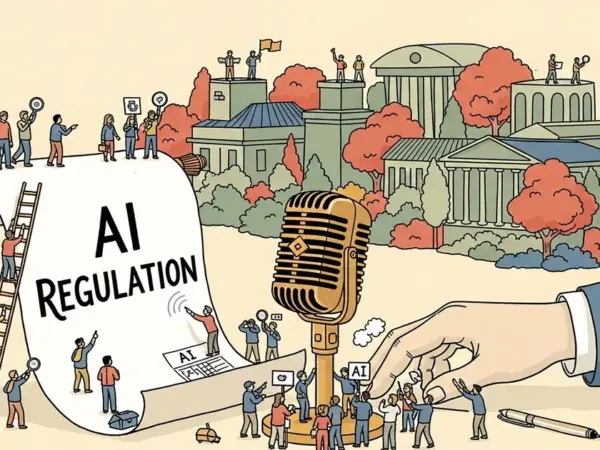
The case arrives as courts continue to weigh whether training AI systems on copyrighted material qualifies as fair use — a question that remains unresolved across dozens of active lawsuits. Prior litigation has focused heavily on text, with suits filed against OpenAI and Meta by authors, artists, and news organizations; the Amazon case extends that scrutiny to AI video generation, a category that also includes OpenAI’s Sora and Google’s Veo.
Technical Details
According to the complaint, Amazon deployed virtual machines and rotating IP addresses specifically to evade detection and bypass YouTube’s technological safeguards against bulk downloading. Nova Reel, the model at issue, generates short videos from text prompts and images and is part of Amazon’s Bedrock platform. The plaintiffs allege these methods violated both federal copyright law and the Digital Millennium Copyright Act, which prohibits circumventing technological protection measures that control access to copyrighted works. The complaint characterizes the alleged operation as targeting millions of videos across the platform.
Who’s Affected
The named plaintiffs represent a range of YouTube creators, from large media operations like Ted Entertainment — which operates channels with millions of subscribers — to individual channel operators. If the court certifies this as a class action, any YouTube creator whose content was allegedly scraped for Nova Reel’s training dataset could potentially join the suit. Amazon customers using Nova Reel through Amazon Bedrock are not named as defendants.
What’s Next
The plaintiffs are seeking monetary damages and a court injunction to halt the alleged scraping practices. The case will proceed in the Western District of Washington in Seattle, with no trial date yet set. It will confront the same unresolved fair use questions that have stalled resolution in other AI training lawsuits working through the U.S. court system.