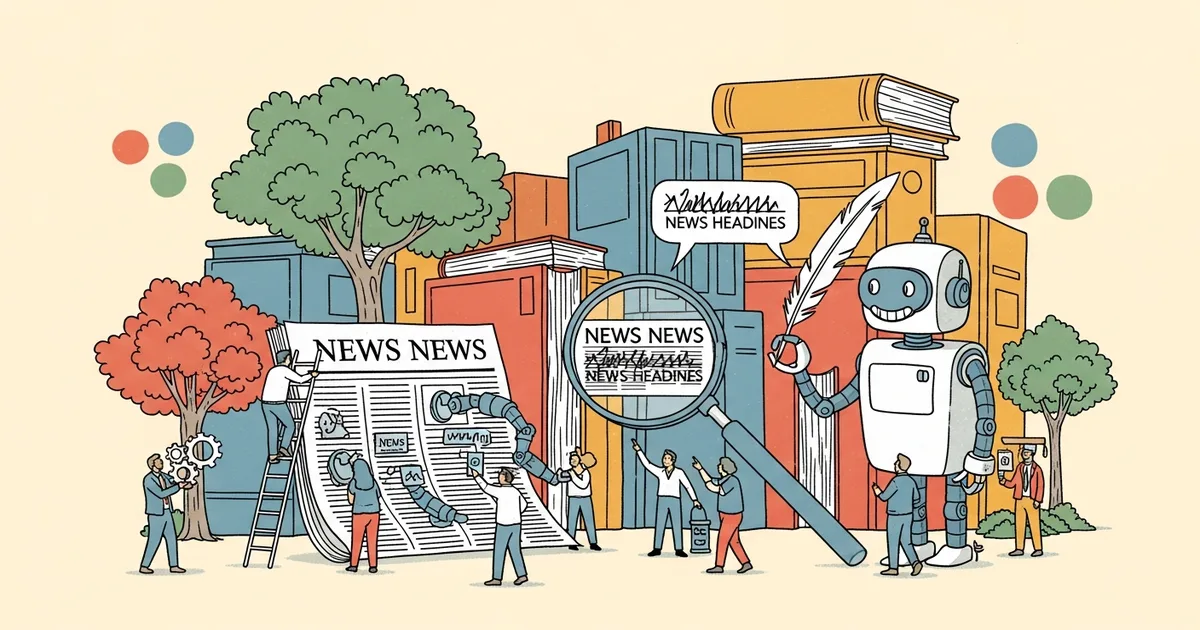
Google has expanded its use of artificial intelligence to replace original news headlines in traditional search results, altering the meaning of articles without publisher consent, The Verge reported on March 20, 2026. The practice, which began as what Google described as a “small and narrow experiment” aimed at improving engagement and query matching, has now moved beyond Google Discover into the core “ten blue links” search experience that billions of people use daily.
The shift did not happen overnight. Google first began replacing headlines in its Discover feed in late 2025, a move The Verge initially documented in December of that year. By January 2026, the company confirmed that what started as an experiment in Discover had become a permanent feature. In March 2026, the same AI-generated headline replacements appeared in traditional Google Search results, marking a significant escalation in how the company mediates the relationship between publishers and readers.
The headline rewriting is part of a broader pattern of Google inserting AI between users and original sources. In May 2024, Google launched the beta of its Search Generative Experience, later rebranded as “AI Overview,” which provides AI-generated summaries at the top of search results. Google Search head Liz Reid stated at the time that AI Overviews would reach “more than a billion people” by the end of 2024. By July 2025, AI summaries had expanded into Discover across the United States, and by October 2025 they were available in South Korea and India as well.
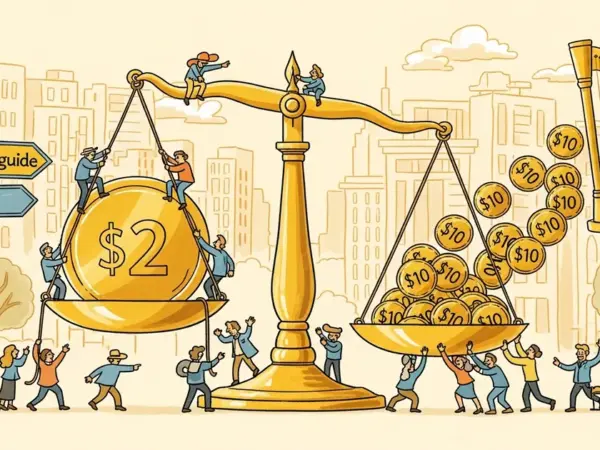
The measurable impact on publishers has been severe. A Pew Research Center study published in August 2025 found that search results featuring AI summaries had a click-through rate of just 8 percent, compared to 15 percent for results without them. In September 2025, the Financial Times reported a 25 to 30 percent decline in search traffic to news publishers, while DMG Media, the parent company of the Daily Mail, reported click-through rates from AI Overviews dropping by as much as 89 percent. Ad technology company Raptive projected that the changes could cause a 20 to 60 percent drop in search traffic across the industry, translating to up to $2 billion in lost global advertising revenue.
Shelly Palmer, a professor at Syracuse University who tracks digital media trends, noted that Google’s AI features have pushed the zero-click rate — searches where users never visit an external website — from roughly 50 percent to over two-thirds in the span of a single year. Paul Deegan, CEO of News Media Canada, put the stakes in direct terms: “Zero clicks is zero revenue for the publisher.” The rewriting of headlines adds another layer of concern, as it removes editorial control from newsrooms over how their own reporting is presented to the public.
Jessica Johnson, a researcher at McGill University’s Centre for Media, Technology and Democracy, raised concerns about the accuracy of AI-rewritten headlines, which can subtly or significantly alter the meaning of an article. When a headline is changed, the framing of the story shifts, potentially misleading readers before they ever click through to the original source — if they click through at all.
The practice of rewriting headlines represents a departure from how search engines have traditionally operated. For more than two decades, Google displayed the titles that publishers chose for their own articles. The new approach effectively positions Google as an editor of other organizations’ journalism, raising questions about liability, attribution, and the commercial relationship between platforms and the news industry.
Publishers and industry groups are expected to intensify lobbying efforts in the United States and European Union, where proposed legislation on AI and platform accountability remains under negotiation. Whether regulatory pressure or advertiser concerns will alter Google’s trajectory remains uncertain, but the company has shown no indication that it plans to reverse course on AI-generated headline replacements in search.