- Microsoft and OpenAI have ended their exclusive commercial AI model licensing arrangement, Bloomberg Technology reported on April 27, 2026.
- The change allows OpenAI to pursue independent licensing deals with cloud providers and enterprise partners previously barred by the exclusivity terms.
- China’s government moved to block Meta’s reported $2 billion acquisition of AI startup Manus on the same day.
- Elon Musk’s lawsuit against OpenAI CEO Sam Altman proceeded to court, with Musk alleging the company departed from its nonprofit founding mission.
What Happened
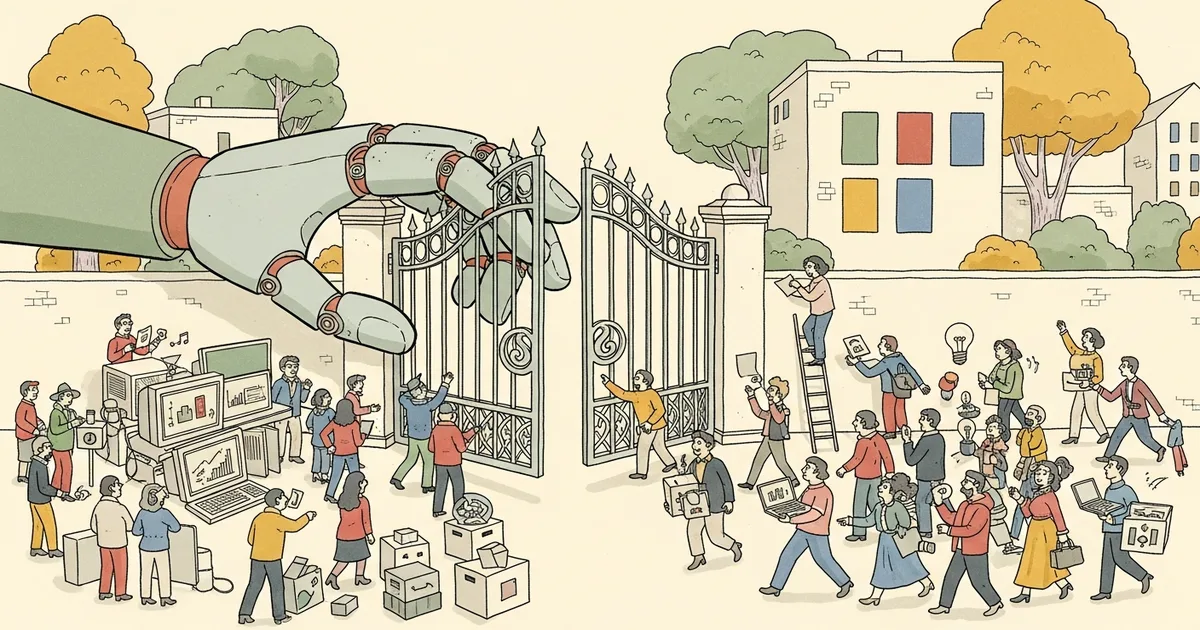
Microsoft and OpenAI have agreed to end their exclusive AI model licensing arrangement, Bloomberg Technology reported on April 27, 2026. Bloomberg Technology reporter Ed Ludlow described the move as one that “opens the doors for the rivals to make new deals,” indicating that third-party cloud and enterprise companies may now negotiate directly with OpenAI for model access. The full report is available via Bloomberg Tech’s April 27 broadcast.
Why It Matters
Microsoft secured exclusive commercial rights to OpenAI’s models through a series of investments beginning in 2019, with total committed capital reaching an estimated $13 billion across multiple funding rounds. That arrangement positioned Microsoft’s Azure cloud platform as the primary — and in many cases exclusive — infrastructure layer for deploying OpenAI’s GPT-series and other frontier models at enterprise scale. Competing cloud platforms including Amazon Web Services and Google Cloud faced structural restrictions on offering comparable OpenAI-based commercial integrations.
Technical Details
The exclusivity clause was embedded in the commercial licensing agreement tying OpenAI’s model deployment to Azure infrastructure, covering both API distribution and large-scale enterprise workloads. Under the revised terms, OpenAI retains the ability to negotiate independent licensing and distribution agreements with other cloud providers and platform vendors, though Bloomberg’s April 27 report did not disclose the scope of any preferential rights Microsoft retains going forward. The change coincides with OpenAI’s ongoing corporate restructuring from a capped-profit entity to a fully commercial operating model — a transition that has drawn scrutiny from state attorneys general and competitors since 2024. Bloomberg’s broadcast did not include technical disclosures about API rate limits, pricing tiers, or contract structures that may govern newly eligible partners.
Who’s Affected
Enterprise software vendors and cloud providers that had been excluded from direct OpenAI licensing deals are the most immediately affected parties. AWS, Google Cloud, and independent software vendors that previously offered OpenAI integrations only through Azure’s commercial agreements may now be eligible to negotiate their own distribution terms. OpenAI’s enterprise customers, who accessed GPT-series models primarily through Azure-native tooling, could gain access to alternative deployment options as new licensing agreements are finalized.
What’s Next
Bloomberg’s April 27 coverage also noted that China’s government moved to block Meta’s reported $2 billion acquisition of AI startup Manus, further restricting Meta’s access to Chinese AI research assets. Separately, Elon Musk’s lawsuit against OpenAI CEO Sam Altman advanced to court, with Musk alleging that OpenAI’s shift to a for-profit structure represents a departure from the nonprofit mission that governed the organization at its 2015 founding. OpenAI has not publicly disclosed the full revised terms of its commercial agreement with Microsoft.