- Elon Musk announced on X that he will appeal the Oakland federal jury verdict against him in the OpenAI lawsuit.
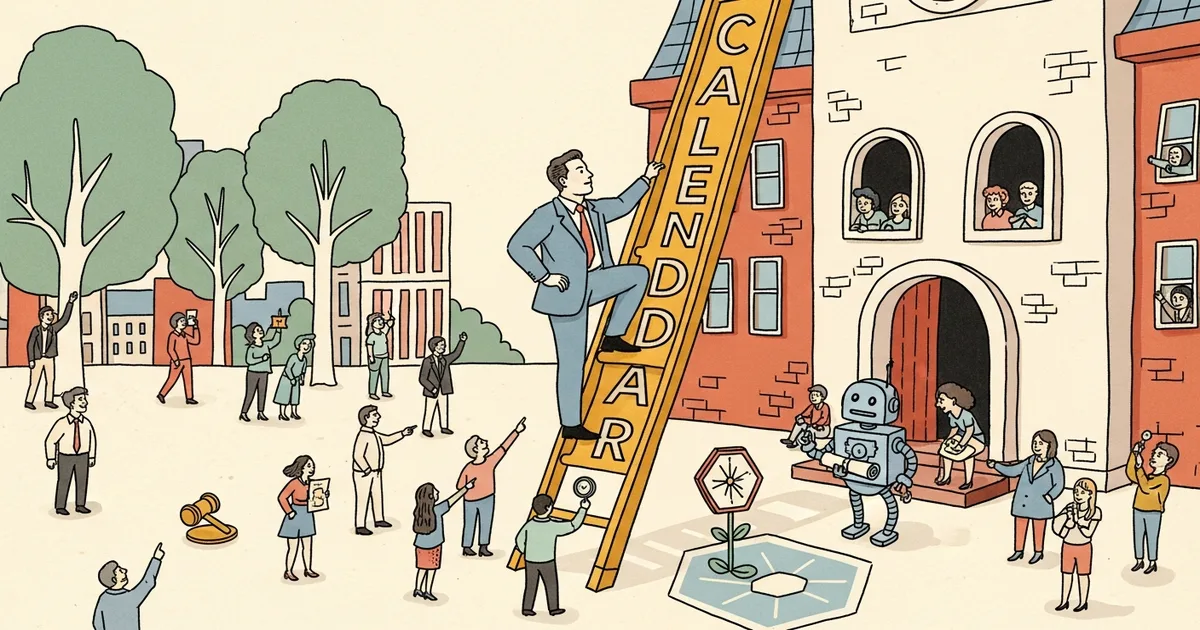
- Musk called the verdict a ‘calendar technicality’ — the jury dismissed the case on statute-of-limitations grounds alone.
- ‘There is no question to anyone following the case in detail that Altman & Brockman did in fact enrich themselves by stealing a charity. The only question is WHEN they did it,’ Musk wrote.
- Judge Yvonne Gonzalez Rogers upheld the jury’s verdict, citing a ‘substantial amount of supporting evidence.’
What Happened
Elon Musk announced on X that he will appeal the federal jury verdict that dismissed his $134 billion lawsuit against OpenAI, The Decoder reported on Tuesday. Musk called the verdict a “calendar technicality” — referring to the fact that the Oakland jury dismissed the case on statute-of-limitations grounds rather than addressing the substantive allegations.
Why It Matters
The appeal extends what had appeared to be a clean closure on the most prominent legal challenge to OpenAI’s nonprofit-to-for-profit conversion. The jury’s verdict — delivered after two hours of deliberation — never reached the merits of Musk’s three claims: breach of charitable trust, unjust enrichment, and (against Microsoft) aiding and abetting. Musk’s framing in the appeal argument will likely focus on whether the statute-of-limitations dismissal can be reversed at the Ninth Circuit.
The appellate path matters for OpenAI’s anticipated 2026/2027 IPO. A live appeal hanging over the company adds disclosure friction. The verdict’s specific holding — that Musk waited too long, not that his substantive claims lacked merit — leaves the question of OpenAI’s nonprofit governance partially unaddressed at the federal level.
Technical Details
The Oakland jury ruled on statute-of-limitations grounds alone. The verdict form shows the jury answered only questions about timing and never reached the substantive allegations. Judge Yvonne Gonzalez Rogers upheld the verdict, stating: “There’s a substantial amount of evidence to support the jury’s finding.” The judge had said she was prepared to dismiss the case herself “on the spot.”
Musk’s full X statement read in part: “There is no question to anyone following the case in detail that Altman & Brockman did in fact enrich themselves by stealing a charity. The only question is WHEN they did it!” OpenAI’s lawyers argued during the trial that Musk’s donations came with no strings attached, and that the restructuring was necessary to compete in the expensive race against Google DeepMind. Musk’s lawyer Steven Molo reserved the right to appeal after the verdict.
Who’s Affected
OpenAI continues to deal with appellate-track uncertainty around the verdict. Sam Altman and Greg Brockman face continuing scrutiny that runs in parallel to the House Oversight Committee’s May 22 testimony deadline. Microsoft, also named in Musk’s original suit, faces continuing appellate exposure. The Ninth Circuit Court of Appeals will receive the case on a timeline not yet disclosed. AI policy advocates, state attorneys general (notably California and Delaware), and the IRS continue separate scrutiny of OpenAI’s nonprofit-to-for-profit conversion that runs independently of Musk’s particular legal vehicle.
What’s Next
Musk’s appeal will proceed through the Ninth Circuit on a typical multi-month to multi-year timeline. Appellate review of statute-of-limitations dismissals tends to be highly deferential to the trial court; reversal is possible but uncommon. The trial’s public-record disclosures — Brockman’s $30 billion in OpenAI shares, Sutskever’s $7 billion stake, Altman’s alleged history of dishonesty — remain public regardless of the appeal outcome. Industry watchers should expect continued political and regulatory scrutiny of OpenAI’s nonprofit-to-for-profit transition independent of the Musk litigation.