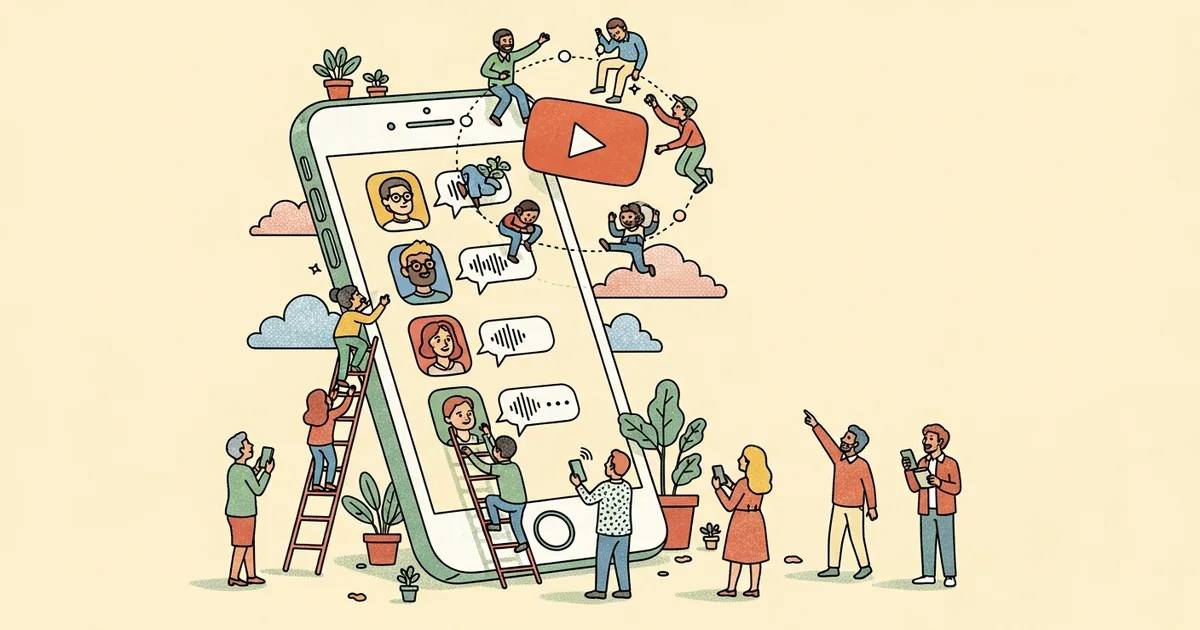
- YouTube began rolling out an AI avatar feature on April 8, 2026, allowing channel owners to generate photorealistic digital doubles of themselves for Shorts.
- Setup requires a one-time “live selfie” recording combining face video and voice; each generated clip runs up to 8 seconds.
- All avatar-generated Shorts carry SynthID watermarks, C2PA provenance metadata, and visible AI-generated content disclosures.
- The rollout is global except in Europe and is restricted to users aged 18 and older who own an existing YouTube channel.
What Happened
YouTube began rolling out an AI avatar creation feature for Shorts on April 8, 2026, enabling eligible users to generate photorealistic video clips of themselves without being on camera, according to a report by 9to5Google. The feature was first disclosed in January 2026 as part of YouTube’s publicly stated priorities for the year. It is accessible through both the main YouTube app and the YouTube Create application.
Why It Matters
The launch extends YouTube’s existing integration of Google’s Veo video generation models, which previously powered an ingredients-to-video tool that let users generate clips from uploaded still images. The addition of a voice cloning component to the pipeline is new capability not present in those earlier Veo-based features. The rollout occurs as short-form video platforms broadly work to reduce the production requirements for content creation.
Technical Details
The setup process requires a one-time “live selfie” — a synchronized video and voice recording captured by having the user read a series of on-screen prompts. The resulting photorealistic avatar can be reused across multiple Shorts without repeating the setup. Each text-prompt-to-video generation produces clips of up to 8 seconds, with users able to chain multiple clips consecutively to build longer sequences. YouTube told 9to5Google that “the avatar feature gives users an easier way to include themselves safely and securely in videos.” All generated outputs are embedded with SynthID watermarks and C2PA provenance metadata, alongside visible AI-generated content disclosures surfaced to viewers.
Who’s Affected
The feature is available to YouTube channel owners aged 18 and older. It is launching globally with the explicit exclusion of Europe; YouTube has not stated a reason, though the EU AI Act and GDPR impose stricter requirements on biometric data processing and synthetic media. Avatar data — including the selfie recording and voice sample — is stored exclusively for the creating user’s avatar generation and cannot be accessed or used by other users or third parties. YouTube will automatically delete stored avatar data after three years of inactivity.
What’s Next
YouTube indicated full global availability (outside Europe) will complete within days of the April 8 launch. Shorts already published using an avatar will remain live until the specific video is deleted by the channel owner, even if the user later deletes their avatar. YouTube has not provided a timeline for a potential European rollout or confirmed which regulatory pathway would need to be satisfied first.
Related Reading
- Anthropic Signs Multi-Gigawatt Google TPU Deal — Enough to Power a Country
- OpenAI, Anthropic, and Google All Tell You Not to Trust Their AI — in the Fine Print
- Google Has Been Running a Self-Improving AI for Over a Year
- Google Releases Gemma-Powered Offline Dictation App ‘Eloquent’ for iOS
- MCP Just Hit 97 Million Installs — The Protocol Nobody Heard of 18 Months Ago Is Now the Backbone of AI Agents