- Bloomberg reported on May 5, 2026 that Apple plans to let iOS 27 users select among multiple third-party AI models for system-level features.
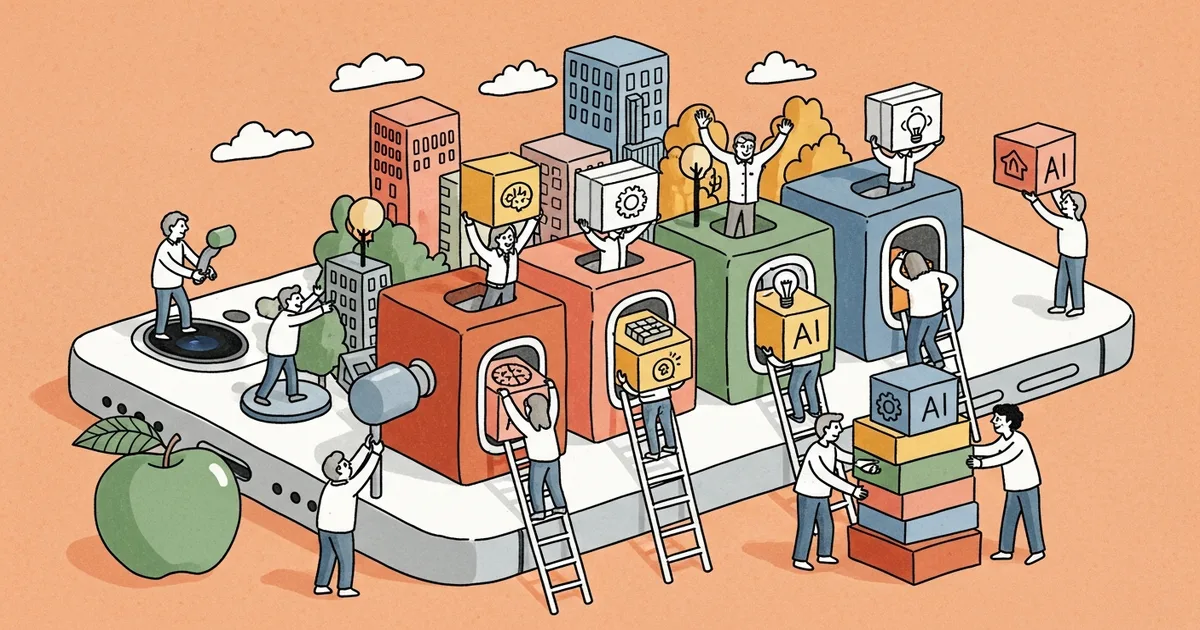
- The feature, internally called “Extensions,” will let users access generative AI from installed apps via Apple Intelligence features including Siri, Writing Tools, and Image Playground.
- Models from Google and Anthropic are being tested now; ChatGPT’s status as one of the available options is unclear from the reporting.
- The capability extends to iPadOS 27 and macOS 27. The shift coincides with Tim Cook’s planned succession by John Ternus, who is now responsible for charting Apple’s AI strategy.
What Happened
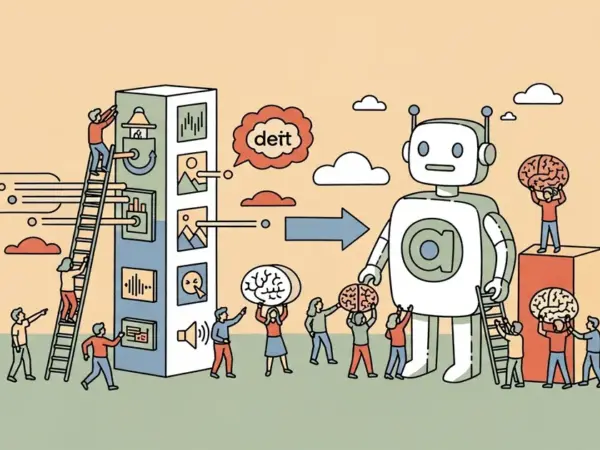
Apple plans to make iOS 27 a “Choose Your Own Adventure” of AI models, TechCrunch reported on May 5, 2026 based on Bloomberg’s coverage. The feature, internally called “Extensions,” will let users select from multiple third-party large language models to power various functions in the iPhone’s operating system. A test-version description reads: “access generative AI capabilities from installed apps on demand, through Apple Intelligence features such as Siri, Writing Tools, Image Playground and more.”
Why It Matters
Apple’s 2024 Apple Intelligence launch positioned the company as committed to a single AI partnership (with OpenAI’s ChatGPT) plus Apple’s own on-device models. The Extensions framework reverses that posture: rather than picking a winner, Apple will let users choose. The strategic implication is that Apple believes its competitive advantage is hardware and operating-system integration, not the underlying AI models — and that the multi-vendor approach mitigates dependence on any single AI lab. The timing also matters: Tim Cook’s planned succession by hardware engineering chief John Ternus puts AI strategy responsibility on a leader whose background is hardware integration rather than AI partnerships.
Technical Details
The Extensions feature, per Bloomberg’s reporting summarized by TechCrunch, will be available across iOS 27, iPadOS 27, and macOS 27. Models from Google and Anthropic are confirmed to be in testing now. ChatGPT’s status is unclear: since OpenAI’s model is currently the integration available to Apple Intelligence users, one implication is that ChatGPT remains a default choice while Google and Anthropic become alternatives. Specific Apple Intelligence features that will use Extensions include Siri, Writing Tools, Image Playground, and “more” — with the broader integration design giving installed third-party apps a path to provide AI capabilities back to system features on demand.
Apple’s broader 2026 AI posture has been contested. The company has been “widely perceived to be ‘behind’ on AI” — TechCrunch’s framing — because it is not launching as many new AI services as peers. However, Apple is bringing in a generous amount of AI-based revenue (largely through ChatGPT integration and App Store distribution of AI apps), and the company’s plan focuses on turning existing hardware into an AI-centric experience rather than building out AI infrastructure and services directly. Apple’s earlier-announced $250 million payout for failing to deliver AI-powered Siri on time — also reported May 5 — adds a concrete cost data point for the on-time delivery challenges.
Who’s Affected
iPhone, iPad, and Mac users gain user-level choice in AI model provider for system features. OpenAI’s ChatGPT — currently the exclusive Apple Intelligence integration — moves from default-only status to one option among several, which structurally weakens its iOS distribution moat. Google and Anthropic gain potential access to a billion+ Apple device users via Extensions. The broader “super app” trajectory at OpenAI faces a structural question: if iOS users can default to Anthropic or Google AI for Apple Intelligence features, the path to ChatGPT consolidating multiple AI workflows behind a single surface narrows on Apple devices. Smaller AI labs and on-device model providers gain a potential distribution path if Extensions admits a wider set of options post-launch.
What’s Next
Apple is expected to announce iOS 27 features formally at WWDC 2026 in June. Watch for the specific list of supported AI models in the launch announcement, default-selection behavior (whether users actively choose or accept a default), and whether on-device models from Apple count as one of the options. John Ternus’s first major AI strategy announcements as Tim Cook’s named successor will set the tone for whether Apple positions itself as AI-orchestrator (consistent with Extensions) or AI-developer (which would require substantial new infrastructure spend). Anthropic and Google will likely promote Extensions support aggressively at their respective developer events.