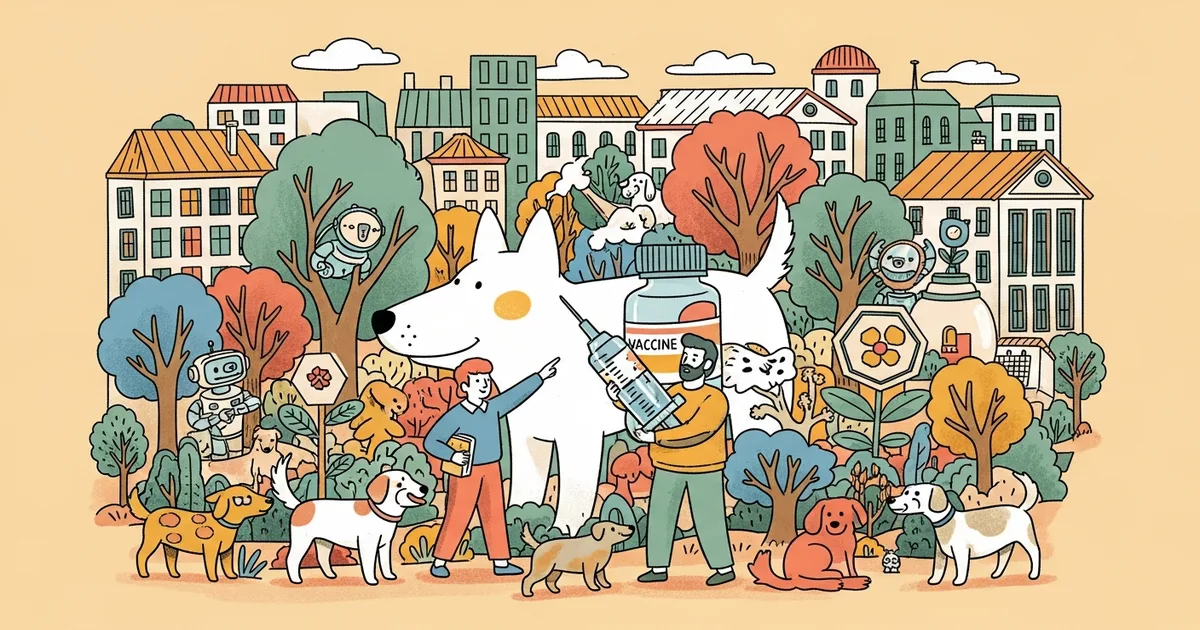
An Australian AI consultant named Paul Conyngham used ChatGPT, AlphaFold, and Grok to research a potential treatment for his dog Rosie’s cancer. The story went viral after OpenAI CEO Sam Altman and VP of Science Kevin Weil amplified it on social media, but The Decoder’s Matthias Bastian reports that neither executive mentioned the lack of evidence that the AI-generated treatment actually worked.
Weil wrote that Conyngham had used “ChatGPT and AlphaFold to create a personalized mRNA vaccine protocol,” calling it “a glimpse of the future, with AI accelerating personalized medicine.” Altman called it the “coolest meeting I had this week” and shared it to his 1.3 million followers on X, suggesting “this should be a company.”
Researcher Egan Peltan pushed back sharply, noting there is zero evidence the AI-assisted work had any effect on Rosie’s cancer. Conyngham was simultaneously administering a PD-1 inhibitor, an approved immunotherapy drug that makes cancer cells visible to the immune system. PD-1 inhibitors are considered one of the most effective cancer immunotherapies available and could independently explain any improvement in the dog’s condition.
The incident follows a pattern in AI industry communications where compelling anecdotes are amplified by executives with financial interests in AI appearing transformative, while the burden of proof is treated as secondary to narrative value. Greg Brockman and DeepMind’s Demis Hassabis also shared the story without noting the absence of clinical evidence.