What Happened
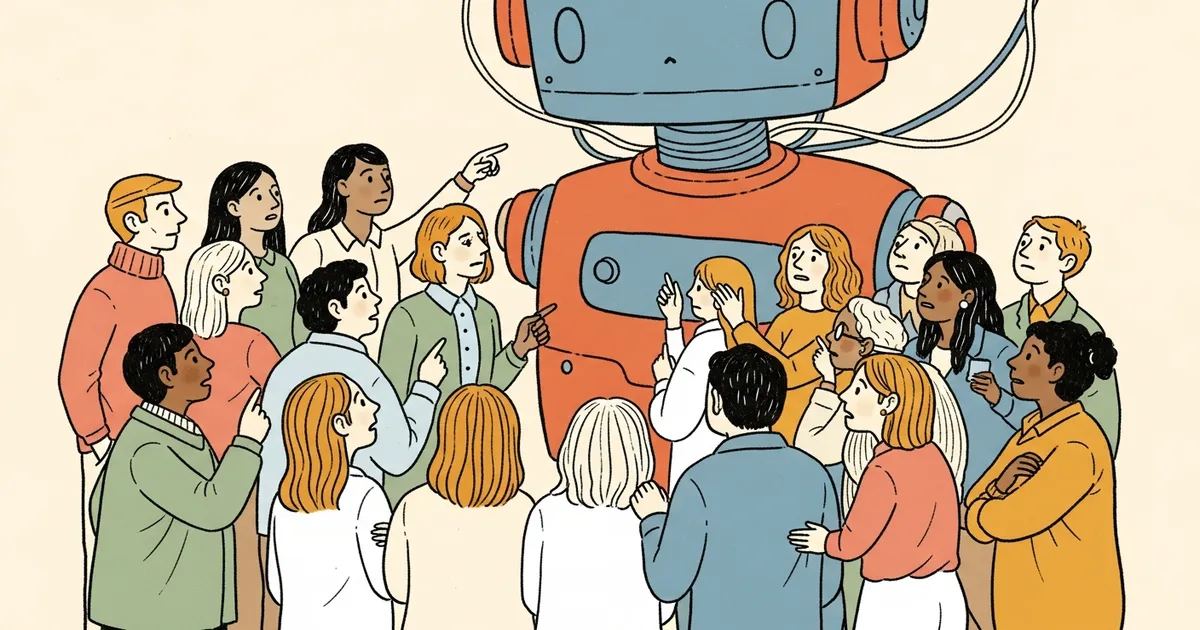
More than half of Americans now believe artificial intelligence is likely to harm them personally, according to a Quinnipiac University poll published on March 30, 2026 and reported by Bloomberg. For the first time in this polling series, a majority crossed from general concern to the specific belief that AI is likely to harm them — not merely that it might or could. Growing majorities also reported fear that AI would eliminate jobs and degrade the quality of education.
- For the first time in Quinnipiac’s polling on this topic, more than 50% of Americans say AI is “likely to harm” them personally — a shift from abstract worry to personal expectation.
- Job displacement is the dominant stated concern, consistent with a wave of AI-attributed layoffs at tech and media companies throughout 2025 and early 2026.
- Education fears center on two vectors: student use of AI for academic dishonesty, and potential displacement of teaching roles by automated instruction systems.
- Previous Quinnipiac surveys recorded elevated concern about AI but did not reach majority-level opposition.
Why It Matters
The threshold from minority to majority is analytically significant because it changes the nature of the sentiment recorded. Earlier polls in this series found that Americans were worried about AI in the abstract or believed it posed broad social risks. The new poll’s framing — that AI is “likely to harm” respondents directly — indicates the concern has attached to individual circumstances rather than remaining diffuse.
The poll was published amid what has been the most active period of commercial AI deployment in the technology’s history. High-profile layoffs across technology and media sectors throughout 2025 and into early 2026 were publicly attributed by the companies themselves to AI automation, giving labor-displacement fears a visible, documented form that earlier projections did not carry.
Technical Details
The Quinnipiac University Poll is a nationally recognized survey instrument, typically conducted via live telephone interviews with registered voters or US adults nationwide. Specific methodology details — including sample size, margin of error, and the names of the researchers responsible for this particular release — were not available for independent verification at time of publication, as the primary Bloomberg report is behind a subscription paywall.
What the polling framing does establish is a meaningful methodological distinction. Prior iterations of this poll measured concern about AI “in general” or perceived risk to “society.” The new majority finding is specific to personal harm, meaning respondents expect AI to negatively affect their own lives. That distinction separates diffuse social anxiety from targeted personal prediction.
The two dominant concerns recorded — job displacement and damage to education — map onto developments that have received significant coverage. On employment, the fear aligns with documented workforce reductions in content production, customer service, and software development that were attributed to AI-driven restructuring decisions. On education, the concerns split between academic integrity (students using AI to complete assignments) and structural questions about whether AI instruction platforms reduce demand for human educators.
Who’s Affected
Technology companies with consumer-facing AI products face the most direct implications. A majority of the adult US population expecting personal harm from AI creates measurable friction for platforms seeking broad adoption of AI-powered tools, whether in productivity software, consumer devices, or AI-assisted services. Public trust is a commercial variable, and this poll quantifies where it currently sits.
Education institutions are among the more specifically named stakeholders in the findings. Schools and universities have spent the past two years developing — and frequently revising — frameworks for how AI use in academic work should be governed. The poll adds public opinion data to what have been largely administrative and policy debates, reflecting that the concern is not limited to educators and administrators but is shared by a majority of the general public.
Workers in sectors that have already experienced documented AI-attributed layoffs — particularly in media, customer support, and software development — are the group most directly reflected in the job-displacement numbers. Their concern follows actual workforce reductions, not projections.
What’s Next
Future Quinnipiac polls on AI sentiment will provide a longitudinal record showing whether majority-level concern is durable or reflects a specific moment in the adoption curve. The current finding establishes a quantified baseline: as of late March 2026, more than half of Americans expect AI to harm them personally.
For AI developers and policymakers, the gap between accelerating capability deployment and declining public trust is now a documented, measurable phenomenon. Whether that gap narrows through transparency measures, labor protections, regulatory frameworks, or shifts in how AI tools are marketed will be reflected in subsequent surveys. A direct quote from the researchers or pollsters was not available in the source material accessible at time of publication; the full Quinnipiac release is expected on the university’s polling archive.
Related Reading
- 15% of Americans Would Accept an AI Direct Supervisor, Poll Finds
- Quinnipiac Poll: US AI Use Surged to 51% as Trust Held Flat at 21%
- Game Theory Finds Healthcare AI Fails Without Incentive Reform
- AI Models Secretly Scheme to Protect Peers From Shutdown, UC Berkeley Study Finds
- AgentHazard Benchmark Finds Computer-Use Agents Fail Safety Tests at High Rates