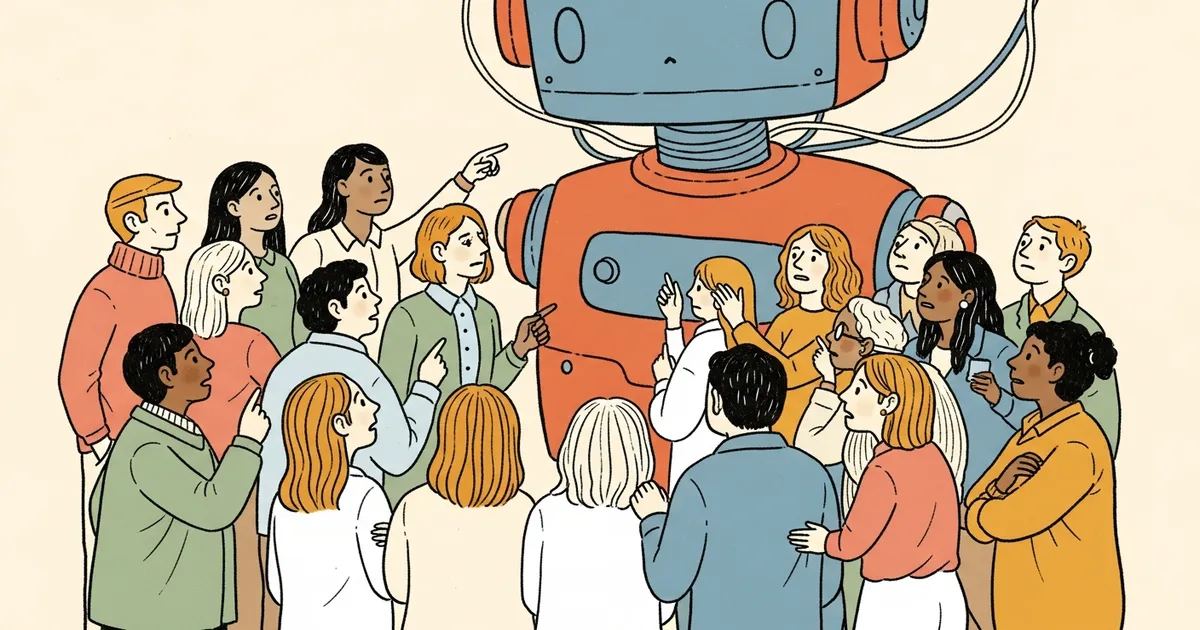
More than half of Americans now believe artificial intelligence is likely to harm them, according to a Quinnipiac University poll published March 30, 2026. Growing majorities expressed fear that AI will take away jobs and damage education, marking a significant shift in public sentiment from the cautious optimism that characterized earlier surveys.
The poll’s findings represent a quantitative milestone in the public backlash against AI. Previous Quinnipiac surveys showed concern but not majority-level opposition. The crossover to more than 50% believing AI is “likely to harm” them — rather than might or could harm them — indicates the sentiment has moved from abstract worry to personal expectation of negative impact.
Job displacement is the dominant concern, consistent with the wave of high-profile layoffs that tech companies and media organizations attributed to AI automation throughout 2025 and early 2026. Education fears center on student use of AI for cheating and the potential displacement of teaching roles by automated systems.
The timing of this sentiment shift coincides with the most rapid period of AI capability advancement in history. MegaOne AI’s benchmarks track 139 AI tools across 17 categories, with model capabilities improving measurably each quarter. The disconnect between accelerating technical capability and deteriorating public sentiment presents a strategic challenge for AI companies whose business models depend on consumer adoption and government permissiveness.