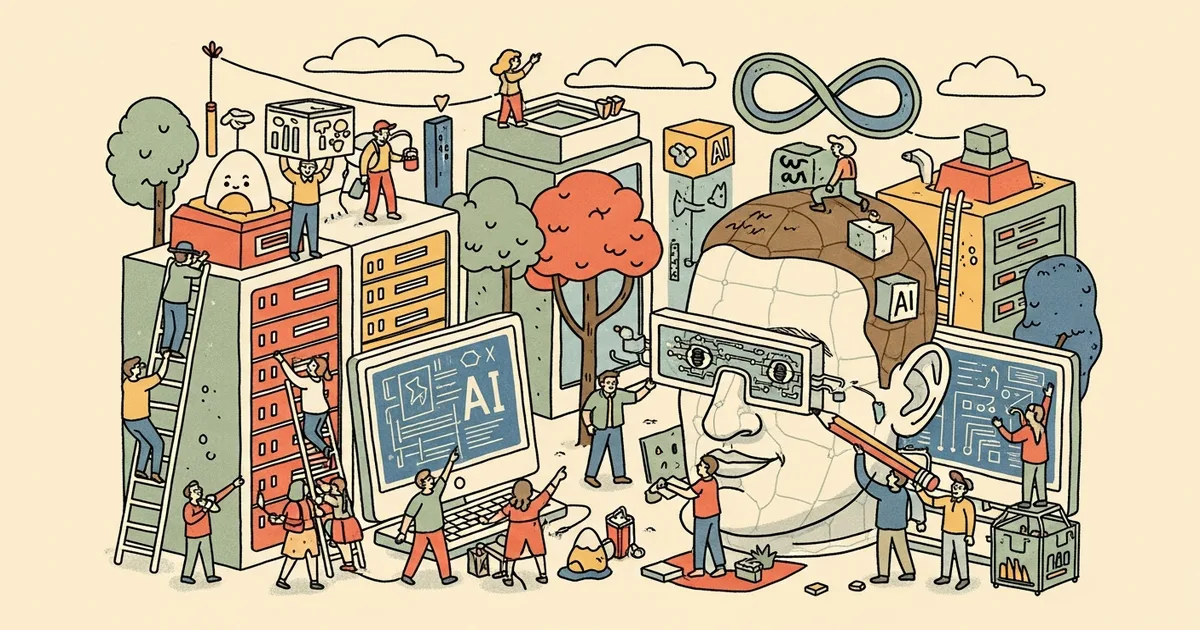
- Meta is reportedly building an AI character modeled on CEO Mark Zuckerberg, trained on his publicly available statements, tone, and mannerisms to advise senior employees on strategy.
- The project, first reported by the Financial Times, would deploy the AI character when Zuckerberg is unavailable or prefers not to engage directly.
- A separate Wall Street Journal report from March 2026 described a personal AI agent Zuckerberg is also building to assist his own day-to-day workflow.
- Meta had already been developing photorealistic, 3D animated AI characters before reportedly shifting focus toward this Zuckerberg-specific model.
What Happened
Meta is reportedly developing an AI character trained on CEO Mark Zuckerberg’s mannerisms, tone, and publicly available statements, intended to advise senior employees on company strategy when Zuckerberg is not available or does not wish to engage directly, according to a Financial Times report cited by Engadget on April 14, 2026. The character is reportedly also being trained on Zuckerberg’s views regarding recent Meta business decisions.
Why It Matters
The reported project extends infrastructure Meta had already been building: the company has been developing photorealistic, 3D animated AI characters designed to handle interactions at scale, and a Zuckerberg-specific model represents an application of that capability to internal organizational communication. A separate Wall Street Journal report from March 2026 revealed that Zuckerberg is also building a personal AI agent to assist his own workflows, including surfacing research and fielding questions on his behalf — suggesting a parallel track of AI augmentation aimed at the CEO role itself.
Zuckerberg stated publicly in early 2026 that he expects AI to write most of Meta’s code within 12 to 18 months, signaling that the company’s leadership views AI automation as applicable across engineering, executive communication, and internal operations alike.
Technical Details
According to the Financial Times, the Zuckerberg AI character is being trained on publicly available statements made by the CEO, combined with information about his positions on current Meta business strategy. The system is designed to replicate his conversational tone and mannerisms in text-based interactions with employees. The Financial Times did not report the underlying model architecture, whether Meta is using a proprietary foundation model or a third-party system, or any evaluation criteria used to assess fidelity to Zuckerberg’s communication style. No benchmark data or performance metrics were disclosed in the report.
Who’s Affected
Senior Meta employees are the reported primary audience — they would interact with the AI character as a surrogate for direct CEO guidance on strategy. The development could also draw scrutiny from regulators and employee advocates focused on transparency in AI-mediated management, particularly around how workers would be informed that a response comes from an AI model rather than from Zuckerberg directly.
What’s Next
Meta has not publicly confirmed the project, and neither the Financial Times nor Engadget reported a deployment timeline. The system remains in active development, according to the Financial Times report. Meta’s existing investments in AI character infrastructure and its consumer-facing Meta AI platform suggest the technical foundation for deployment is already in place, but the scope of any rollout for the Zuckerberg model has not been disclosed.