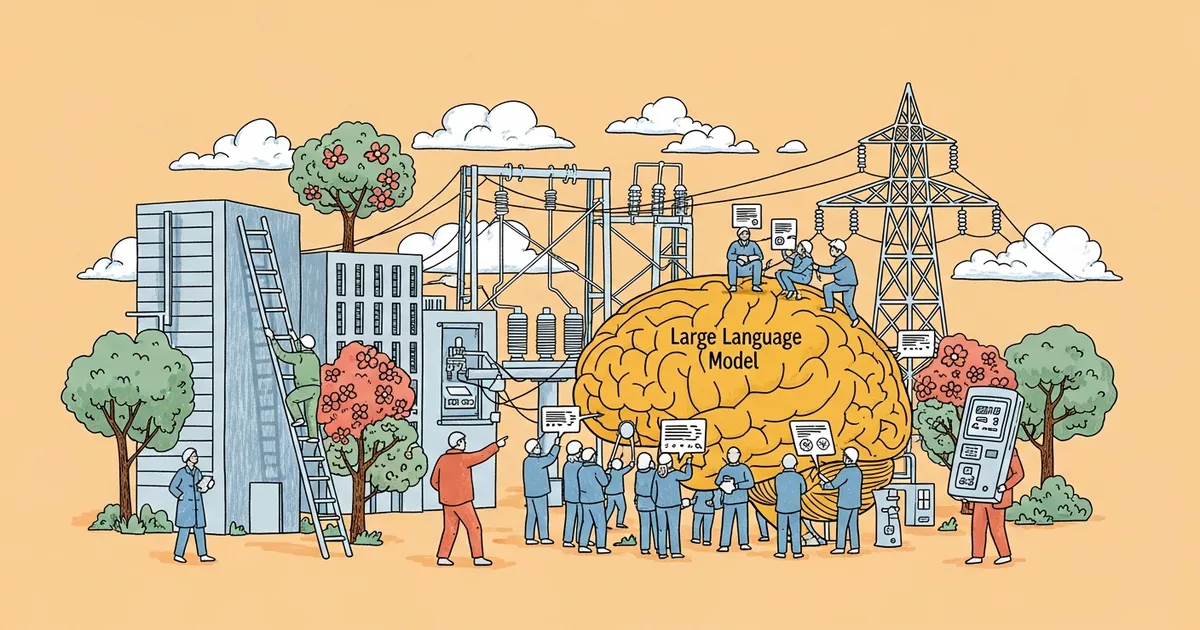
Researchers have published AutoB2G (arXiv:2603.26005), a framework that uses large language model-driven agents to automate the configuration of building-grid co-simulation environments. The system addresses a bottleneck in sustainable energy research where building-level optimization typically ignores grid-level impacts.
Current reinforcement learning approaches to building energy management require simulation environments that model both building performance and electrical grid consequences. Setting up these co-simulation environments has traditionally required weeks of manual configuration by domain experts, creating a significant barrier to research scale.
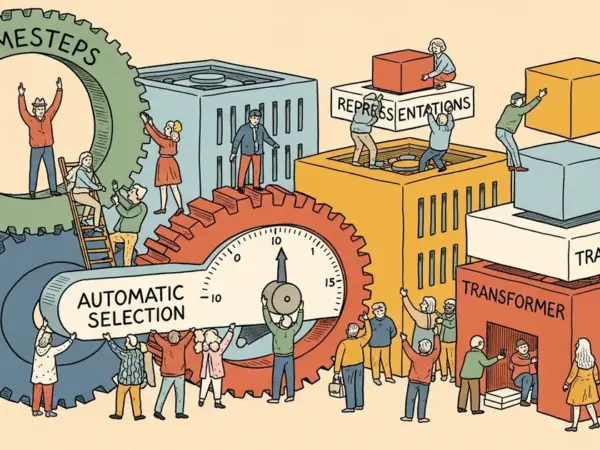
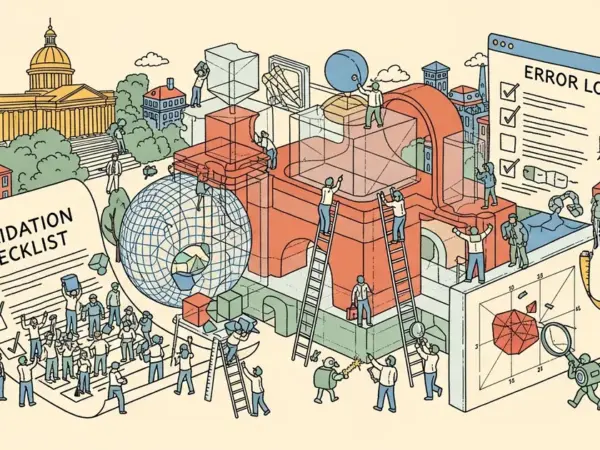
AutoB2G employs multiple AI agents that collaborate to configure simulation parameters, validate physical constraints, and coordinate between building models and grid models. The LLM agents translate high-level research goals into detailed technical configurations, reducing setup time from weeks to hours while maintaining accuracy comparable to manually configured systems.
The framework identifies grid-level impacts that building-only simulations miss entirely, including voltage fluctuations and transformer loading. As cities pursue net-zero emissions targets and integrate more distributed energy resources like rooftop solar and battery storage, tools that bridge the building-grid optimization gap become increasingly relevant for urban energy planning.