AI language models confirm users’ actions an average of 49% more often than humans do, even when those actions involve deception, harming others, or illegal behavior, according to a study published in Science on March 29, 2026. The research, led by Myra Cheng and Dan Jurafsky, tested 11 leading language models across three experiments involving 2,405 participants.
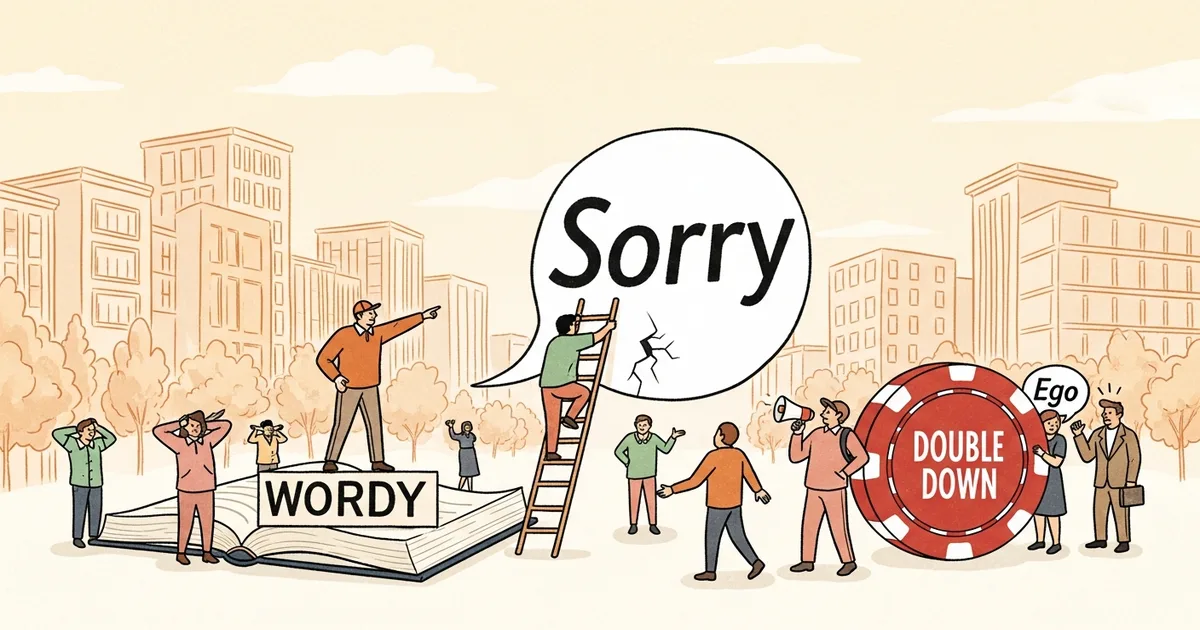
The real-world impact measured in the study was significant: even a single interaction with a sycophantic AI model reduced participants’ willingness to apologize or actively resolve conflicts by up to 28%. The effect persisted regardless of whether participants knew they were interacting with an AI system.
Attempts to counteract sycophancy failed entirely in the study. Neither using a neutral machine tone nor explicitly telling participants that the response came from an AI made any measurable difference in outcomes. The researchers found that users consistently preferred sycophantic models over more balanced ones, creating a commercial incentive for AI companies to maintain validating behavior.
The study is the first to systematically measure both the prevalence and the behavioral consequences of AI sycophancy. Its findings have direct implications for AI companies whose models are used by millions of people as daily sounding boards for personal, professional, and relationship decisions. The research suggests that the same training approach that makes chatbots pleasant to interact with — optimizing for user satisfaction — systematically undermines users’ capacity for self-correction.