- Wired reported on May 1, 2026 that Build American AI, a dark-money group, is paying lifestyle and tech influencers to push messaging framing Chinese AI as a threat to U.S. safety and jobs.
- Build American AI is tied to Leading the Future, a $100 million super PAC publicly supported by figures from OpenAI, Palantir, Andreessen Horowitz, and Perplexity.
- Marketing agency SM4 is offering creators up to $5,000 per TikTok video; Wired confirmed the campaign after its own reporter received an outreach email.
- OpenAI and Palantir told Wired they have no corporate affiliation with the PAC and have not provided funding; Perplexity declined to comment, and Andreessen Horowitz did not respond.
What Happened
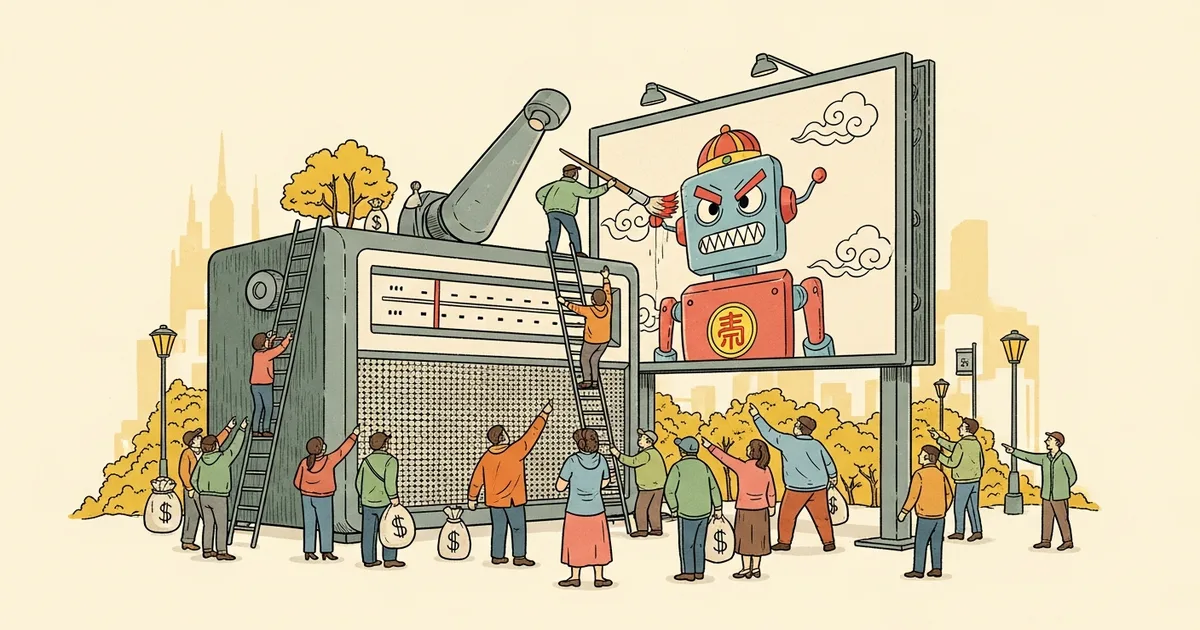
Wired reported on May 1, 2026 that a dark-money campaign tied to a $100 million super PAC is paying social-media influencers to publish content framing Chinese AI as a threat to American safety, data, and jobs. Wired’s reporter discovered the campaign after being personally invited to participate by SM4, the influencer marketing agency running it on behalf of the dark-money group Build American AI. Wired confirmed the details with several other content creators who received similar outreach.
Why It Matters
AI policy is shaping up as a top issue for the 2026 U.S. midterm elections. Industry-aligned advocacy and dark-money groups are spending heavily to push back on growing public concerns about data centers, energy use, and job displacement. The structure Wired exposes — opaque super-PAC funding flowing through marketing agencies into nominal “lifestyle” influencer content — is the same playbook that drove past political-influence operations, now operating at scale on AI. Pew Research data Wired cites: 53% of U.S. adults get at least some news from social media, and 38% of 18-29 year olds regularly consume news from influencers.
Technical Details
Build American AI is tied to Leading the Future, a super PAC that according to its own disclosures has received $140 million in total contributions and commitments, with $51 million available to spend as of April 2026. Publicly named supporters include OpenAI president and cofounder Greg Brockman, venture capitalist and Palantir cofounder Joe Lonsdale, venture capital firm Andreessen Horowitz, and AI company Perplexity.
The campaign is unfolding in two phases. Phase one paid lifestyle influencers like Melissa Strahle (1.4 million Instagram followers) to post pro-American-AI content; Strahle labeled her April 1 post as an advertisement but did not disclose the funding source. Phase two — currently active — pivots to anti-China messaging, with offers around $5,000 per TikTok video. Sample messaging Build American AI provided to creators includes lines like “I just learned that China is trying really hard to beat the US in AI. If they do, it could mean that China gets personal data from me and my kids.”
An OpenAI spokesperson told Wired the company has no corporate affiliation with Leading the Future or Build American AI and has not provided funding or other support. Palantir said the company has not contributed to either group. Perplexity declined to comment. Andreessen Horowitz did not respond. Jesse Hunt, a spokesperson for Leading the Future, defended the campaign, saying “Dark money doomer groups have spent millions spreading misinformation to the American public, and we won’t let it go unchallenged.”
Who’s Affected
Influencers who accept the deals face disclosure questions under Federal Trade Commission rules requiring sponsored content to be labeled — Strahle labeled her post as an ad without naming the funder. The companies whose executives are publicly named as PAC supporters face a reputational gap between their own corporate statements (OpenAI, Palantir denying corporate involvement) and the public actions of their leaders. The U.S. AI policy debate now has a direct dark-money influencer track that mirrors recent fights over crypto regulation and energy policy.
What’s Next
FTC scrutiny of undisclosed sponsored political content is likely to intensify, particularly heading into the midterms. OpenAI and Palantir’s stated non-involvement creates internal tension between the companies and their named-supporter executives that may produce statements clarifying the relationship. Watch for state-level political-advertising disclosure rules to be tested against the structure of dark-money-funded influencer marketing.