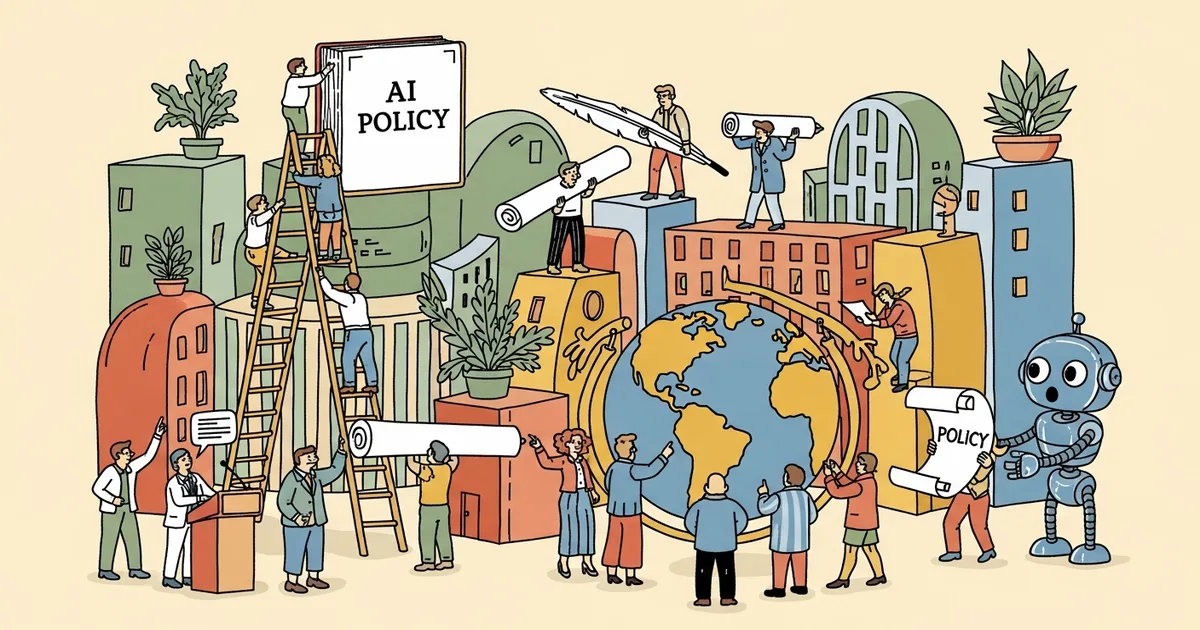
- OpenAI published an official statement of its views on AI policy and political advocacy, framing AI as one of the most powerful technologies ever built and its governance as consequential for the long term.
- The company says the future of AI should be shaped by governments, researchers, workers, civil society, and other stakeholders — not by any single company.
- OpenAI states it supports thoughtful regulation and AI safety, commits to transparency about its advocacy, and clarifies that no outside political group speaks on its behalf.
- The statement lands amid intensifying scrutiny of AI companies’ political influence and a wave of state-level AI legislation and litigation.
What Happened
OpenAI published a public statement setting out its views on AI policy and political advocacy. The post argues that AI will be one of the most powerful technologies people have ever built, and that decisions made now about how it is governed and deployed will matter for a long time. OpenAI says the future of AI should be shaped by a broad set of actors — governments, researchers, workers, civil society, and independent institutions — rather than dictated by any one company, and it commits to transparency in how it engages politically, stating that no outside political group speaks on its behalf.
Why It Matters
This is OpenAI formalizing its political posture at a moment when AI companies’ influence over policy is under a microscope. As frontier labs have grown into some of the most valuable companies in the world, lawmakers, civil-society groups, and the public have grown wary of how much sway those companies hold over the rules that will govern them. By publicly committing to transparency and disclaiming any proxy political group, OpenAI is trying to get ahead of that scrutiny.
The timing is notable. AI regulation is escalating at the state level — including direct legal action against the company, as we covered when Florida sued OpenAI and CEO Sam Altman over chatbot safety. A clearly stated policy posture is both a governance signal and a piece of reputational positioning ahead of OpenAI’s anticipated public listing.
Technical Details
The statement is a position piece rather than a policy proposal, so specifics are framed as principles: support for what OpenAI calls thoughtful regulation, an emphasis on AI safety, and a commitment to transparency about the company’s own advocacy. The pledge that “no outside political group speaks on the company’s behalf” is the most concrete commitment — an apparent response to concerns about AI firms funding or coordinating with third-party advocacy organizations to shape legislation indirectly.
What the statement does not do is specify which regulations OpenAI would support or oppose, or detail its lobbying spend and affiliations. Those omissions are where outside observers — and our broader AI regulation coverage tracks the gap between stated principles and concrete conduct — will focus.
Who’s Affected
Policymakers and regulators gain a public reference point for OpenAI’s stated positions, which they can hold the company to. Civil-society and AI-safety groups get a commitment to transparency they can test. Competing labs (Anthropic, Google DeepMind, Mistral, xAI) face pressure to articulate their own policy postures publicly. And OpenAI’s investors and enterprise customers gain visibility into how the company intends to navigate the regulatory environment it operates in — a material factor as AI rules tighten globally.
What’s Next
The test is whether OpenAI’s conduct matches the statement — particularly the transparency and no-proxy-group commitments. Expect journalists and watchdogs to scrutinize the company’s lobbying disclosures and any affiliated advocacy against this published standard. Other frontier labs are likely to respond with their own policy statements. And as state and federal AI legislation advances through 2026, OpenAI’s positions on specific bills will reveal how the principles translate into practice.