- OpenAI plans to merge ChatGPT, Codex, and the Atlas browser into a single desktop application for macOS and Windows, led by CEO of Applications Fidji Simo.
- ChatGPT has 900 million weekly active users as of February 2026, but internal leadership found product development scattered across too many parallel tracks.
- Separately, OpenAI is developing an AI “research intern” agent designed to automate tasks that take scientists several weeks, targeting a September 2026 launch.
- The mobile version of ChatGPT is not changing as part of this consolidation; the superapp is desktop-only.
What Happened
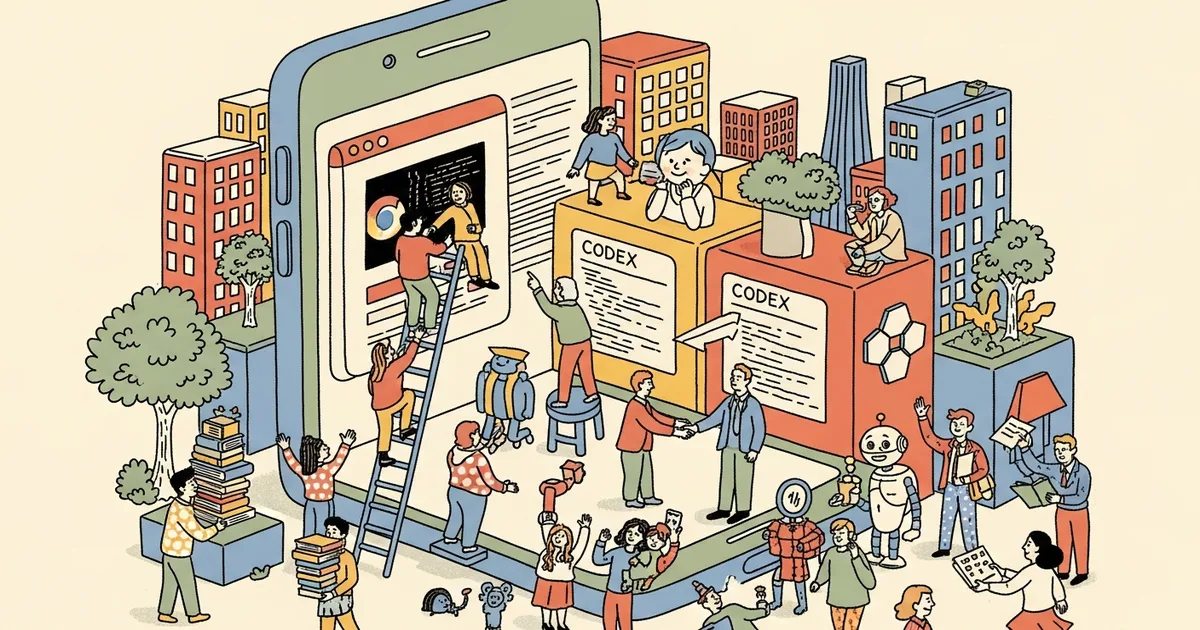
OpenAI plans to consolidate ChatGPT, the Atlas AI-powered browser, and the Codex programming assistant into a single desktop application, according to a Wall Street Journal report published March 20, 2026. The project is being led by Fidji Simo, OpenAI’s CEO of Applications, who joined from Instacart in May 2025. OpenAI President Greg Brockman is temporarily overseeing the product revamp and associated organizational changes.
The superapp will target macOS and Windows, combining conversational AI, web browsing, and code generation in a single interface. OpenAI confirmed that the mobile version of ChatGPT is not changing as part of this consolidation. According to people familiar with the plans, the first major preview is expected before the end of 2026, with a staged rollout over the coming months.
Why It Matters
The consolidation addresses a practical problem: users currently switch between three separate products with overlapping capabilities and inconsistent interfaces. ChatGPT handles general tasks, Atlas provides AI-integrated web browsing, and Codex focuses on code generation. Merging them reduces friction for users and cuts internal engineering overhead, allowing a single team to ship updates across all capabilities simultaneously.
The move comes amid intensifying competition. According to an Axios analysis of enterprise spending, Anthropic now captures 73 percent of all spending among companies purchasing AI tools for the first time, while OpenAI has fallen to around 27 percent. ChatGPT’s user base grew from 400 million to 900 million weekly active users between early 2025 and February 2026, but internal leadership reportedly found product development fragmented across too many parallel tracks to maintain quality.
Technical Details
Atlas, which launched on macOS in late 2025, integrates ChatGPT directly into the browsing interface. It allows the AI to understand the content a user is viewing, answer questions about it, and take actions on the web through a feature called agent mode. Codex provides code generation, debugging, and software engineering capabilities that have been available as a separate tool. The superapp would unify these capabilities under a single interface rather than requiring users to context-switch between applications.
Separately, OpenAI is developing an AI tool described as a “research intern,” an agent designed to automate tasks that typically take scientists several weeks of focused work. The company expects to launch this offering by September 2026. OpenAI’s longer-term objective is building a “fully automated multi-agent research system” by March 2028.
Who’s Affected
The superapp primarily targets software developers and business productivity users on desktop. The decision to keep the mobile ChatGPT app unchanged suggests OpenAI views desktop as the primary environment for professional and power-user workflows. For developers building on OpenAI’s platform, the key question is whether the superapp will expose new integration points or whether the API remains the primary programmatic interface.
The strategy mirrors consolidation moves by Google, which has integrated Gemini across Search, Workspace, and Android, and Microsoft, which embedded Copilot across Office, Windows, and Edge. By combining its products, OpenAI aims to match the distribution advantages that platform owners enjoy while maintaining its position as the default standalone AI application.
What’s Next
No firm timeline has been announced for the superapp launch. The research intern product, targeting September 2026, will likely arrive first as a separate offering before being folded into the consolidated application. The staged rollout approach means early versions may not include all three products immediately, with full integration coming over multiple updates.
For enterprise customers, the consolidation raises questions about how OpenAI’s product strategy will affect pricing and licensing. The current model charges separately for ChatGPT subscriptions and API access, and it remains unclear whether the superapp will bundle capabilities at a single price point or maintain the existing tiered structure. OpenAI’s visual generation tool Sora may also be integrated in future iterations, further expanding the scope of the unified desktop experience.