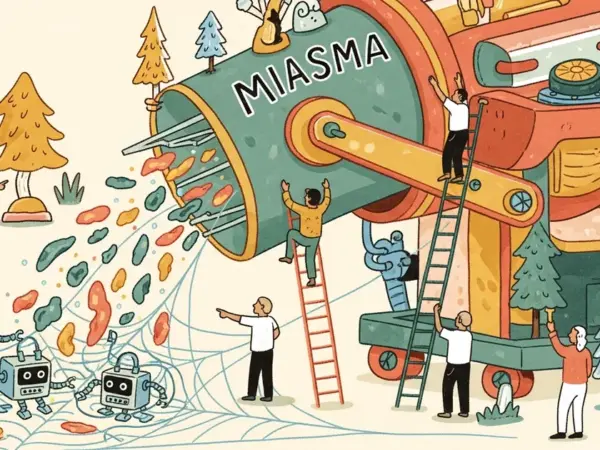
The pace of AI model releases reached a new high in March 2026, with Google, Anthropic, Microsoft, and Perplexity all launching major updates within the same week. Google released Nano Banana 2 with faster image generation capabilities. Perplexity debuted Perplexity Computer, a tool that lets its AI browse and interact with websites on behalf of users. Microsoft launched Copilot Tasks for automated workflow execution. Anthropic expanded its program for embedding AI agents directly into enterprise operations.
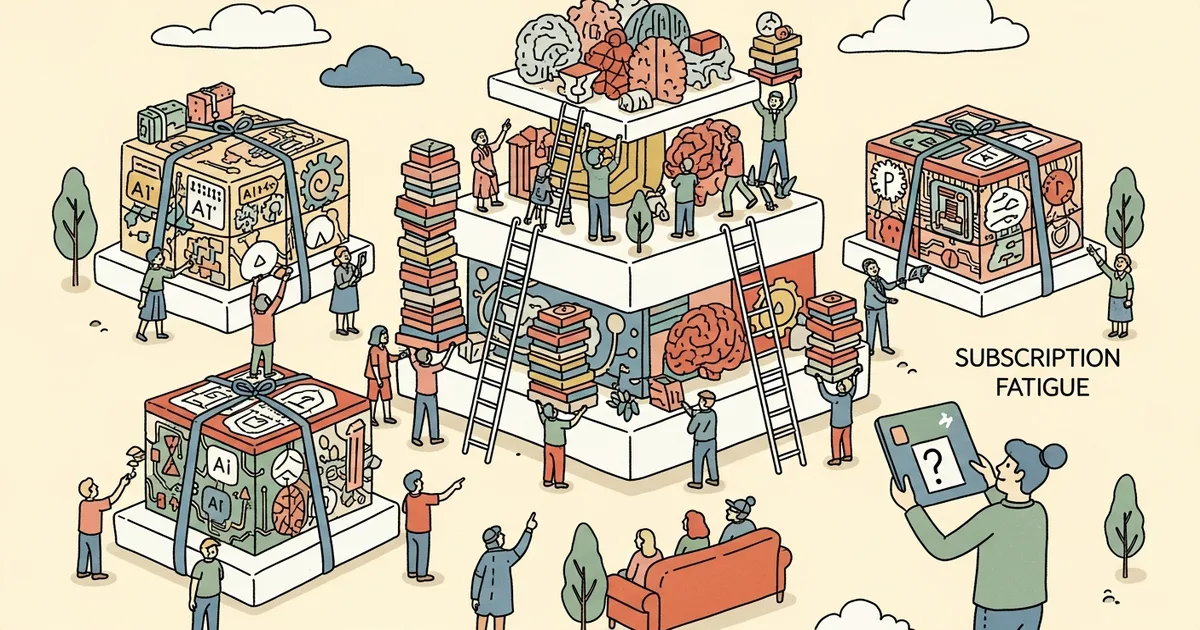
The volume of releases is creating a new problem for businesses and consumers: subscription fatigue. Organizations that adopted ChatGPT Plus, then added Claude Pro, then Gemini Advanced, now face monthly AI bills that rival their traditional SaaS spending. Each platform offers capabilities the others lack, making consolidation difficult. In response, platforms are increasingly positioning themselves as comprehensive suites rather than single-model products.
Google’s strategy illustrates the bundling approach. Nano Banana 2 joins Gemini 3.1 Pro, Gemini 3 Deep Think, and TurboQuant as part of a growing model family that spans reasoning, code generation, image creation, and inference optimization. Rather than competing on any single benchmark, Google is building an ecosystem where switching costs accumulate across multiple integrated capabilities.
The corporate impact of this acceleration is becoming measurable. Mizuho Financial Group announced plans to reduce administrative staff by 33 percent over ten years, attributing the restructuring to AI integration across its operations. Amazon Web Services expanded its AI training and certification programs to meet enterprise demand for employees who can deploy and manage these rapidly multiplying tools. LinkedIn reported that AI-related job postings have tripled year-over-year.
For individual users, the proliferation creates a paradox of choice. Each week brings a new model that claims to be better at something — coding, reasoning, creative writing, image generation — but evaluating whether those improvements matter for a specific workflow requires time that most people do not have. The practical effect is that many users settle on one or two platforms and ignore the rest, regardless of benchmark superiority.
The current release pace appears unsustainable for consumer attention, even if it reflects genuine technical progress. The companies that will capture long-term value are likely those that can translate model releases into seamless user experiences rather than those that simply ship the most models. Quality of integration may matter more than quantity of announcements.