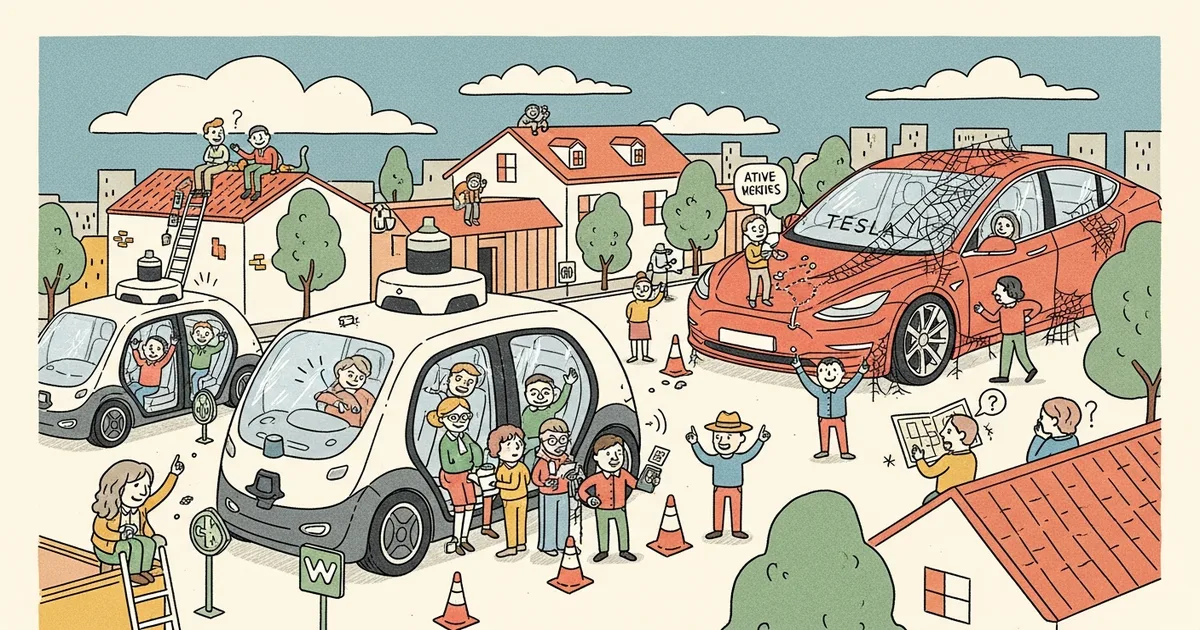
- Waymo now provides 500,000 paid robotaxi rides per week across 10 U.S. cities, a tenfold increase from 50,000 weekly rides in May 2024.
- The company expanded from three initial markets (Phoenix, San Francisco, Los Angeles) to 10 cities in under two years, adding Austin, Atlanta, Miami, Dallas, Houston, San Antonio, and Orlando.
- Waymo’s fleet remains at roughly 3,000 vehicles, meaning the ridership growth reflects higher utilization per vehicle rather than fleet expansion.
- NHTSA and the National Transportation Safety Board are investigating Waymo robotaxi behavior around school buses.
What Happened
Waymo announced that it is now completing 500,000 paid robotaxi rides every week across 10 U.S. cities, according to a company post on X shared on March 27, 2026, and reported by TechCrunch’s Kirsten Korosec. The figure represents a tenfold increase from the 50,000 weekly paid trips the company reported in May 2024.
The growth has come alongside rapid geographic expansion. Waymo started with three markets: Phoenix, San Francisco, and Los Angeles. Over the past year alone, it added seven Sun Belt cities: Austin, Atlanta, Miami, Dallas, Houston, San Antonio, and Orlando. All seven new markets launched within the last 12 months, marking a significant acceleration in the company’s city-by-city rollout strategy.
Why It Matters
The ridership numbers demonstrate that autonomous ride-hailing has moved beyond pilot programs into a scaled commercial service. A tenfold increase in under two years, achieved while expanding from three cities to 10, indicates accelerating consumer adoption rather than isolated growth in a single market.
The fleet utilization metric is particularly significant. Waymo’s vehicle count has remained at approximately 3,000, the same figure the company has cited publicly for months without providing updates. The fact that weekly rides have grown tenfold without a proportional fleet increase means each robotaxi is completing substantially more paid trips per day than it was two years ago. Empty vehicles roaming streets without passengers generate operating costs and increase urban congestion without producing revenue, so higher utilization directly improves the unit economics of the service.
Despite the growth, Waymo’s numbers remain small relative to human-driven ride-hailing at the industry level. Uber completed approximately 13.5 billion trips in 2025 across its ride-hailing and delivery segments. During its August 2024 earnings call, Uber reported completing more than 1 million mobility trips per hour. Waymo’s 500,000 weekly rides, while a milestone for the autonomous vehicle industry, is not yet a competitive threat to established ride-hailing incumbents.
Technical Details
Waymo operates a fully autonomous ride-hailing service with no safety driver present in the vehicle. The company’s sixth-generation Waymo Driver system uses a sensor suite that includes lidar, cameras, and radar to perceive and navigate complex urban environments in real time.
The expansion to 10 cities required adapting the autonomous driving system to varied road conditions, traffic patterns, weather conditions, and local regulations across markets ranging from dense urban centers like San Francisco to sprawling Sun Belt metros like Houston and Orlando. Each new market requires mapping, testing, and regulatory approvals before commercial service can begin.
Waymo has guarded its fleet size data closely, continuing to reference the “over 3,000” figure without providing updated counts. The persistent gap between a static fleet number and rapidly growing ridership suggests improvements in routing efficiency, reduced vehicle downtime between trips, expanded operating hours per vehicle, and better geographic coverage within each city’s service area.
Who’s Affected
Consumers in Waymo’s 10 operating cities now have access to a commercial autonomous ride-hailing service at growing scale and availability. Ride-hailing incumbents Uber and Lyft are monitoring the trend closely, though Waymo’s current weekly volume does not yet represent a material competitive impact on their businesses.
Several competitors are pushing toward their own paid robotaxi services. Tesla launched a paid robotaxi service in Austin in January 2026, though CEO Elon Musk’s claims about imminent California expansion lack the required operating permits. Other companies, including Avride, Hyundai-owned Motional, and Amazon-owned Zoox, are targeting paid robotaxi launches in various markets by the end of 2026. Chinese companies including Baidu’s Apollo Go and WeRide charge for robotaxi rides, but none currently operate in the United States.
Regulators are also increasingly engaged with the expanding autonomous vehicle industry. NHTSA and the National Transportation Safety Board are investigating Waymo robotaxi behavior around school buses, a safety concern that could affect operating permissions. San Francisco city officials have separately raised concerns about stuck Waymo vehicles that occasionally require police or firefighters to clear from roadways.
What’s Next
Waymo’s trajectory suggests continued ridership growth as it expands operating hours, increases geographic density within its existing 10 markets, and potentially announces additional cities. Whether the company will disclose updated fleet numbers or provide more granular ridership data by market is unclear.
The regulatory investigations into school bus interactions and stuck vehicle incidents represent the most immediate risk to the company’s expansion pace. How Waymo resolves these safety concerns and demonstrates compliance to federal and local authorities will likely influence permitting decisions in future markets and shape the broader regulatory framework for commercial autonomous vehicle services in the United States.
Related Reading
- Musk Announces $20 Billion Terafab Chip Factory in Austin for Tesla, SpaceX, and xAI
- Samsung Wants 800 Million Devices Running Google’s AI by December
- People Are Getting Paid to Film Themselves Folding Laundry — To Train Robots That Will Replace Them
- Oracle Started Firing 30,000 People This Week — To Buy More AI Servers