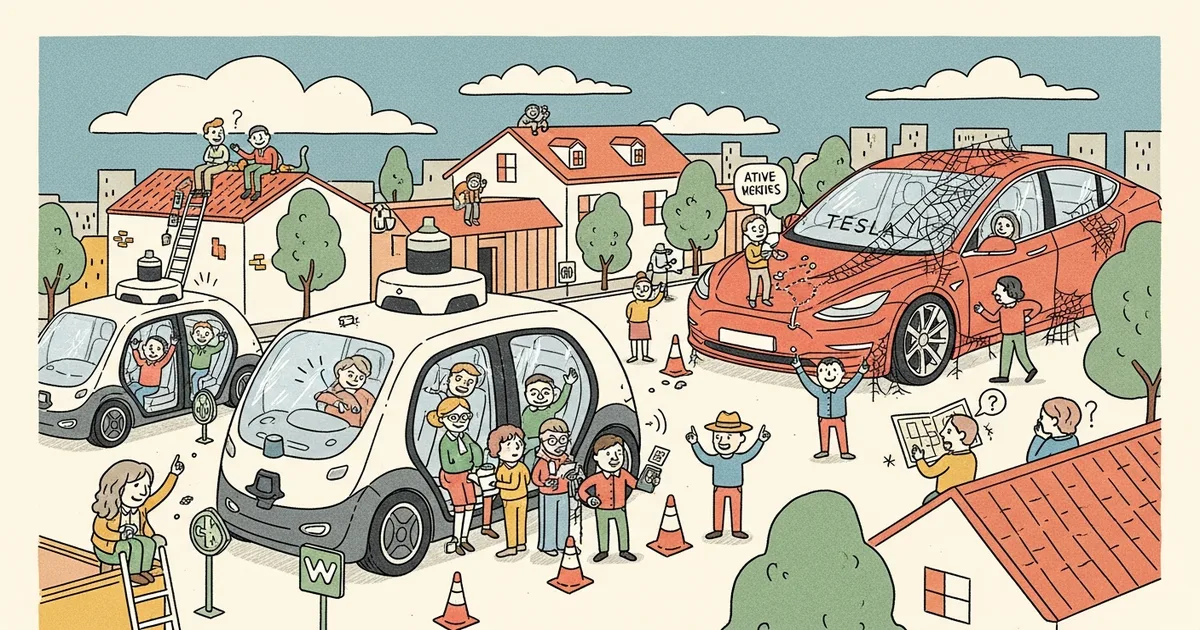
Waymo reached 500,000 paid robotaxi rides per week across 10 U.S. cities in March 2026, according to TechCrunch. The milestone represents a 10x increase from 50,000 weekly rides in May 2024 and a doubling in under a year. The company is now halfway to its stated target of 1 million rides per week by the end of 2026, achieved in the first quarter.
The Expansion Map
Waymo operates in 10 cities: Phoenix, San Francisco, Los Angeles, Austin, Atlanta, Miami, Dallas, Houston, San Antonio, and Orlando. Seven of those — the Sun Belt cities — were added in the past year alone. The fleet of approximately 3,000 vehicles has remained relatively stable, meaning Waymo is extracting more rides per vehicle through better utilization rather than just adding cars.
Zoox, Amazon’s autonomous vehicle subsidiary, expanded to Austin and Miami while quadrupling its San Francisco service area. Uber announced plans to launch Europe’s first commercial robotaxi service with Pony AI in Zagreb, Croatia. Avride and Motional are pushing toward paid services in additional U.S. markets by year-end.
Tesla’s Absence
California officially confirmed that Tesla is not operating an autonomous vehicle service in the state. Tesla launched a paid robotaxi service in Austin in January 2026 but lacks the required permits for California operations. The gap between Tesla’s autonomous driving marketing and its actual operational status remains the widest in the industry.
The autonomous vehicle landscape as of March 2026 has a clear leader: Waymo is delivering at scale, doubling ridership annually, and expanding geographically. The rest of the field is either in early commercial operations (Tesla in Austin, Zoox in select cities) or pre-launch (Uber/Pony AI in Europe). The question is no longer whether autonomous vehicles work commercially but how fast Waymo’s lead can be closed.