- OpenAI is merging ChatGPT, its Codex coding platform, and its Atlas web browser into a single desktop super-app, following an internal memo from CEO of Applications Fidji Simo on March 16, 2026.
- Simo wrote that the company was “spreading our efforts across too many apps and stacks” and needed to simplify, with the Wall Street Journal first reporting the plan on March 19.
- The super-app model echoes WeChat’s approach of bundling multiple services into one application, though OpenAI’s version focuses on AI-powered productivity rather than consumer services.
- Anthropic now captures 73% of first-time enterprise AI spending, compared to OpenAI’s 27%, adding competitive pressure behind the consolidation.
What Happened
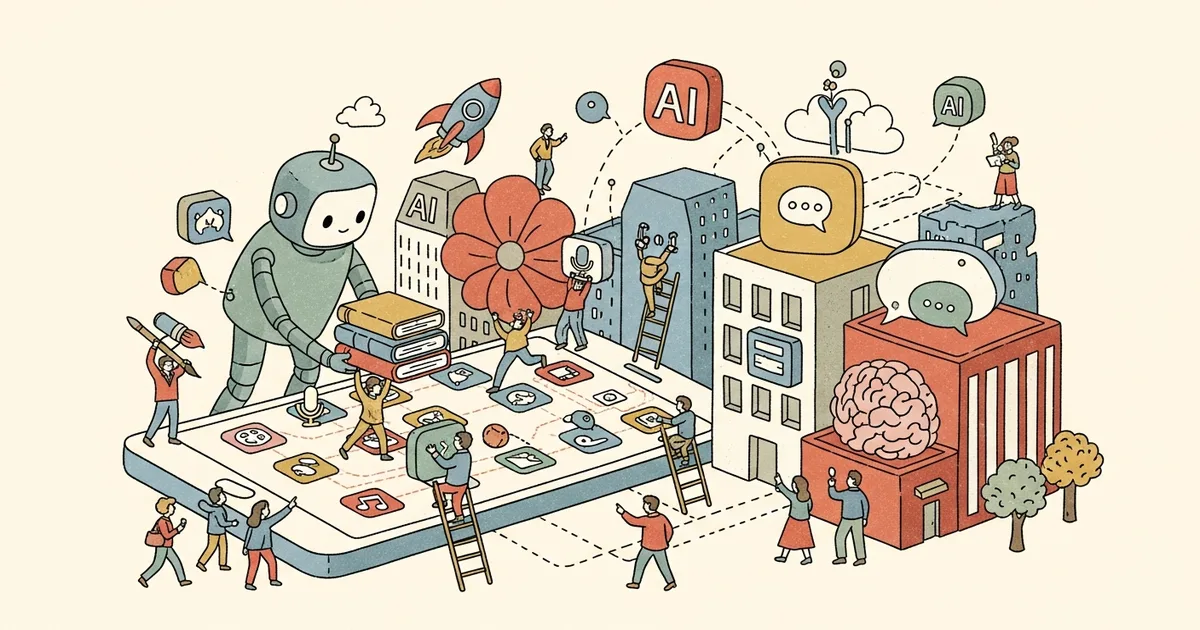
OpenAI is building a desktop super-app that merges its three main products, ChatGPT, the Codex coding agent, and the Atlas web browser, into a single unified platform. The Wall Street Journal first reported the plan on March 19, 2026, based on an internal memo from Fidji Simo, OpenAI’s CEO of Applications.
In the memo shared with employees, Simo wrote: “We realized we were spreading our efforts across too many apps and stacks, and that we need to simplify our efforts. That fragmentation has been slowing us down and making it harder to hit the quality bar we want.”
Why It Matters
The consolidation follows the super-app model pioneered by Tencent’s WeChat, which bundles messaging, payments, shopping, food delivery, and government services into one application used by over 1.4 billion monthly active users in China. Users in China rarely leave WeChat because every service they need lives inside it. OpenAI’s version applies the same consolidation logic to AI-powered productivity: writing, coding, and web browsing handled by autonomous agents within a single interface.
The timing is not accidental. According to an Axios analysis of enterprise spending, Anthropic now captures 73% of all spending among companies buying AI tools for the first time, while OpenAI has fallen to around 27%. A unified desktop app could help OpenAI convert its 900 million casual ChatGPT users into paying power users before the company’s anticipated IPO.
Technical Details
Simo described the consolidation as a push toward “agentic” AI: software that autonomously handles complex, multi-step tasks on a user’s desktop, including writing code, browsing the web, and analyzing data. The Codex app will gain new productivity capabilities beyond coding before ChatGPT and the Atlas browser are folded in.
Separately, OpenAI announced on March 19 that it would acquire Astral, the company behind the Rust-based Python tools uv and Ruff. Astral’s team, led by founder Charlie Marsh, will join OpenAI’s Codex division. The acquisition feeds directly into the super-app strategy by strengthening the coding agent’s developer tooling.
OpenAI launched GPT-5.3 Codex in early 2026, positioning coding as one of its highest-growth segments. Simo is leading the product consolidation alongside President Greg Brockman, who oversees computing infrastructure.
Who’s Affected
Desktop users of ChatGPT, Codex, and Atlas will eventually use a single application instead of three. The mobile version of ChatGPT is unaffected and will continue as a standalone app, meaning the consumer smartphone experience stays intact. For enterprise customers, the consolidation could simplify procurement and reduce the number of separate tools teams need to manage.
Developers who rely on Astral’s open-source tools, particularly the uv package manager and the Ruff Python linter, face uncertainty about long-term governance. OpenAI has stated the tools will remain open-source, but acquisition by a commercial AI company introduces questions about prioritization and roadmap control. Charlie Marsh’s team joining the Codex division suggests that Astral’s tools will be optimized for AI-assisted coding workflows, which may or may not align with the broader Python community’s needs.
What’s Next
OpenAI expects to add agentic capabilities to Codex over the coming months before merging the other products into the unified desktop application. Simo is working alongside President Greg Brockman, who oversees computing infrastructure, to execute the consolidation.
No firm launch date has been announced for the unified super-app. A key limitation is that the consolidation applies only to the desktop experience. Mobile users will not see changes, which means the super-app vision remains platform-specific for now. Whether OpenAI can execute a product merger of this scale without disrupting its existing 900 million users remains an open question, particularly as Anthropic continues to gain ground in the enterprise market.