In a new podcast with a16z, Marc Andreessen argued that AI is the payoff of an “80-year overnight success” — from neural networks and expert systems to transformers, reasoning models, and recursive self-improvement. But the real bottleneck, he says, isn’t the technology. It’s the messy institutions, incentives, and social systems that struggle to absorb change.
The 80-Year Timeline
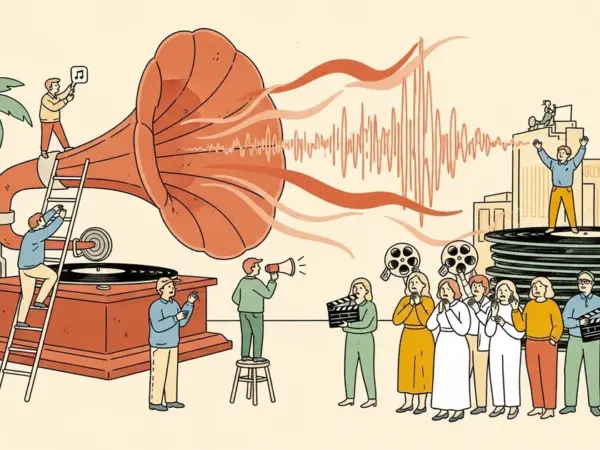
Andreessen’s central claim: people treat the current AI moment as if it appeared from nowhere in 2022 with ChatGPT. In reality, the foundational work began in the 1940s with McCulloch-Pitts neurons, continued through Rosenblatt’s perceptron in 1958, expert systems in the 1980s, deep learning’s revival in 2012, and the transformer architecture in 2017.
“This isn’t a sudden breakthrough,” Andreessen argued. “It’s the compounding result of 80 years of research that is finally reaching commercial viability.” The implication: the technology itself is more mature than either optimists or pessimists acknowledge.
Why Both Sides Are Too Optimistic About Speed
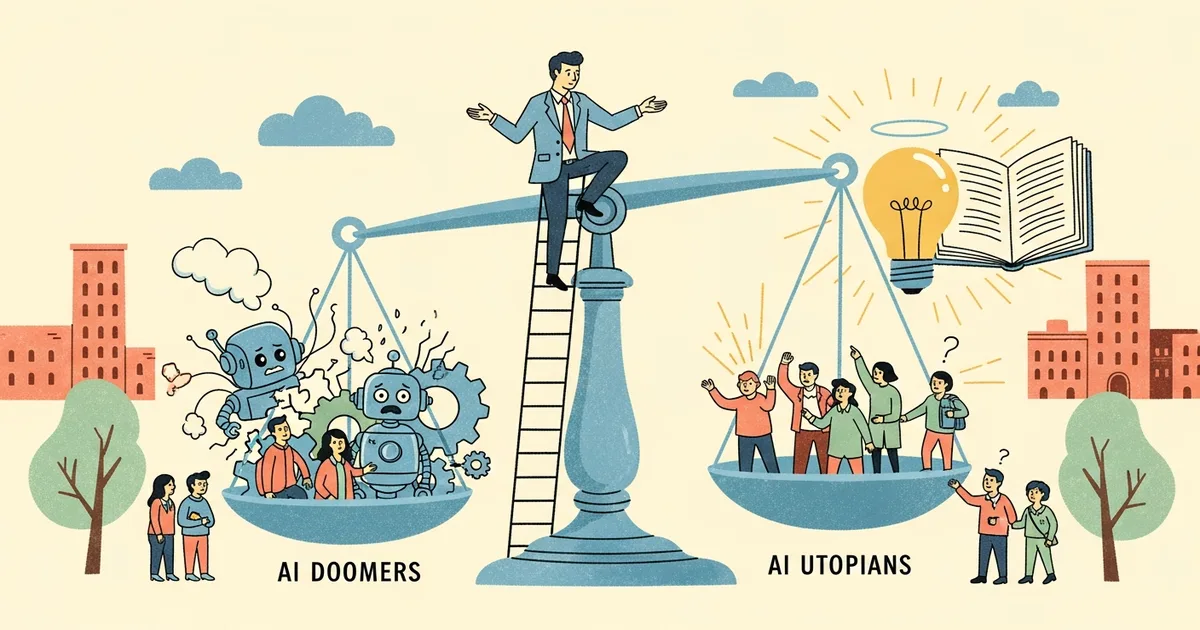
Andreessen’s contrarian move is arguing that both AI utopians and doomers overestimate how fast AI will transform society. Utopians expect rapid productivity gains and economic restructuring. Doomers expect rapid capability gains leading to existential risk. Both assume the technology is the rate-limiting factor.
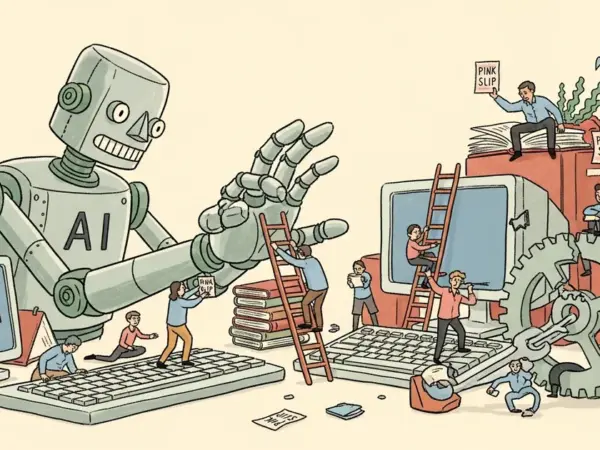
Andreessen says the actual bottleneck is institutional: regulatory frameworks built for pre-AI industries, corporate cultures that resist workflow changes, educational systems that can’t retrain fast enough, and political incentives that reward visible action over systemic adaptation.
“The technology is ready,” he said. “The question is whether human institutions can absorb it, and the answer is: slowly, painfully, and unevenly.”
What This Means Practically
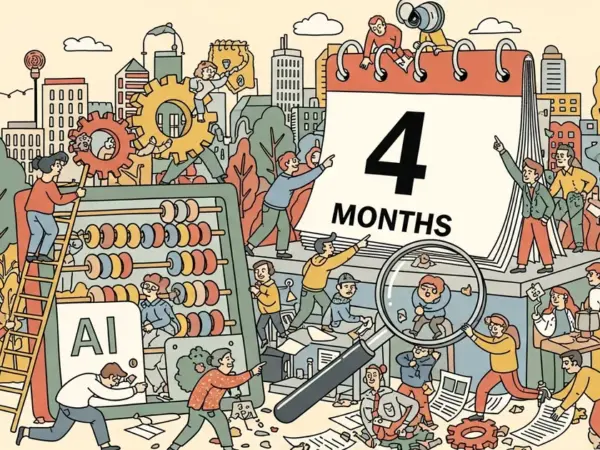
If Andreessen is right, the AI adoption curve will look less like the internet (rapid consumer adoption, 1995-2005) and more like electricity (40+ years from invention to widespread industrial deployment). Electricity was demonstrated in the 1880s. Most American factories didn’t electrify until the 1920s, and the full productivity gains didn’t appear in economic data until the 1930s.
The parallel matters for investors, builders, and policymakers:
- Investors: AI company valuations priced for rapid transformation may face a longer payback period
- Builders: The winning AI companies will be those that navigate institutional friction, not just build better models
- Policymakers: Government AI partnerships need to address adoption infrastructure, not just safety guardrails
The Contrarian Optimist’s Real Point
Coming from tech’s most famous optimist, this isn’t pessimism — it’s a recalibration. Andreessen isn’t saying AI won’t transform the economy. He’s saying the transformation will take longer than either utopians or doomers expect, and the delay won’t be caused by the AI itself but by the humans and organizations trying to use it.
For companies deploying AI today, the takeaway is practical: technical capability is no longer the constraint. Organizational change management is.