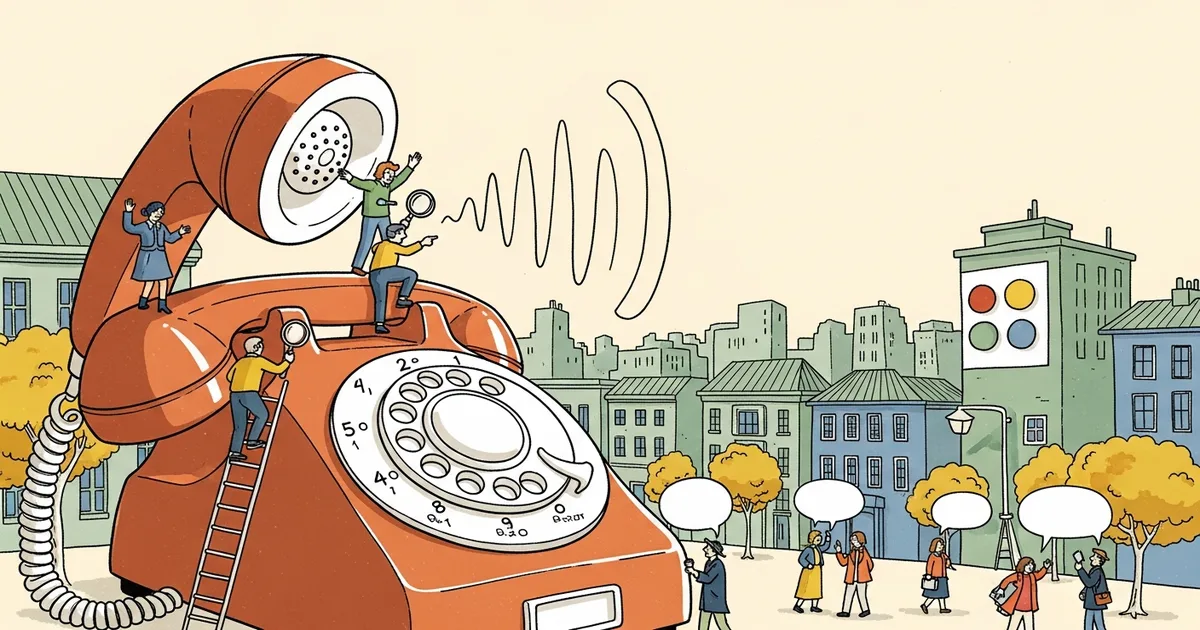
- Google launched Search Live globally on March 26, 2026, bringing real-time voice and camera-based AI search to 200+ countries and territories.
- The feature is powered by Gemini 3.1 Flash Live, a natively multilingual audio model that supports 90+ languages without translation lag.
- Users can hold multi-turn voice conversations with Google Search and point their phone camera at objects for real-time visual analysis.
- Search Live raises unresolved questions about publisher traffic, click-through rates, and advertising visibility in voice-delivered responses.
What Happened
Google expanded Search Live to all AI Mode markets on March 26, 2026, making real-time voice and camera search available in more than 200 countries and territories. Liza Ma, Director of Product Management for Search at Google, announced the rollout via the company’s official blog.
Search Live enables users to speak queries aloud, receive spoken responses, and continue with follow-up questions in natural conversation flow. The camera integration lets users point their device at physical objects — plants, packaging, storefronts, menus, shelving components — and receive contextual information based on what the system observes in real time. The feature had previously been available in limited markets during testing before this global expansion.
Why It Matters
Search Live represents Google’s most aggressive move to replace typed queries with conversational AI interaction. Unlike Siri and Alexa, which answer isolated questions, Search Live maintains full context across multi-turn conversations. A user can ask “what is this plant?” while pointing at it, then follow up with “is it safe for dogs?” without re-describing the subject.
Combined with Google’s broader AI Mode, Search Live connects to personal data across Gmail, Google Photos, YouTube, and search history. This means the assistant can answer questions like “what hotel did I book for next month?” — a depth of personal context that neither OpenAI nor Anthropic can currently match at the device level.
For publishers and advertisers, the shift to voice-delivered answers creates uncertainty. Click-through rates, website traffic, and ad visibility in spoken responses remain open questions with no clear resolution from Google. The feature effectively bypasses traditional search result pages entirely when delivering voice responses, removing the visual real estate where ads and organic links have historically appeared.
Technical Details
Search Live runs on Gemini 3.1 Flash Live, a new audio and voice model designed for real-time conversational interaction. The model is natively multilingual rather than translation-based, meaning it handles idiomatic speech, local vocabulary, and regional phrasing directly in each supported language. Google states it supports 90+ languages with real-time translation available on compatible headphones in 70+ languages.
Users access Search Live through the Google app on Android and iOS by tapping the Live icon beneath the search bar. Alternatively, users already in Google Lens can tap the Live option at the bottom of the screen to begin a real-time conversation about what their camera sees. The model’s architecture is designed to handle idiomatic speech, local vocabulary, and regional phrasing natively rather than routing through an English-first translation layer, which Google says reduces latency and improves accuracy for non-English speakers.
Who’s Affected
Any Google app user in the 200+ countries where AI Mode is active can access Search Live immediately. The feature works on both Android and iOS devices. In markets like Canada, Search Live launched with support for both English and French, reflecting the model’s native multilingual design. For Apple users running Gemini-powered Siri alongside Google Search Live, Google’s AI is present on both sides of the mobile experience — a distribution advantage no other AI company currently holds.
Publishers face the most direct impact. Voice-delivered answers reduce the need to visit source websites, potentially compressing organic traffic from search. Advertisers operating on traditional search ad models must evaluate how visibility changes when responses are spoken rather than displayed.
What’s Next
Google has not disclosed how advertising will integrate with voice-delivered Search Live responses. The business model implications of replacing link-based results with spoken answers remain the largest unresolved question for Google’s $300 billion annual ad business. Privacy details around voice and camera data retention have also not been published, leaving enterprise and privacy-conscious users without clear terms for how their conversational data is stored or processed. The same personal data integration that makes Search Live powerful — access to Gmail, Photos, YouTube history — also makes it the most data-intensive voice assistant currently available.