A Wall Street Journal investigation has revealed the behind-the-scenes collapse of OpenAI’s Sora video generator, including a reported burn rate of roughly $1 million per day, the abrupt end of a Disney enterprise pilot, and an internal model codenamed “Spud” that inherited Sora’s compute budget. The findings were reported by Zach Mink, Joey Liu, Rowan Cheung, Shubham Sharma, and Jennifer Mossalgue at The Rundown on March 31, 2026.
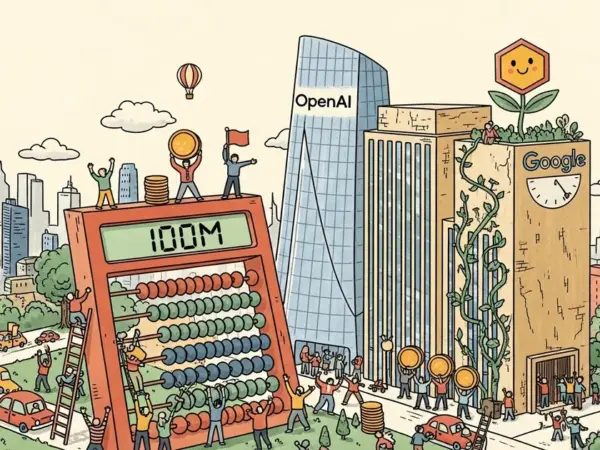
- Sora was reportedly burning “roughly a million dollars a day” in compute and operating costs before OpenAI shut it down.
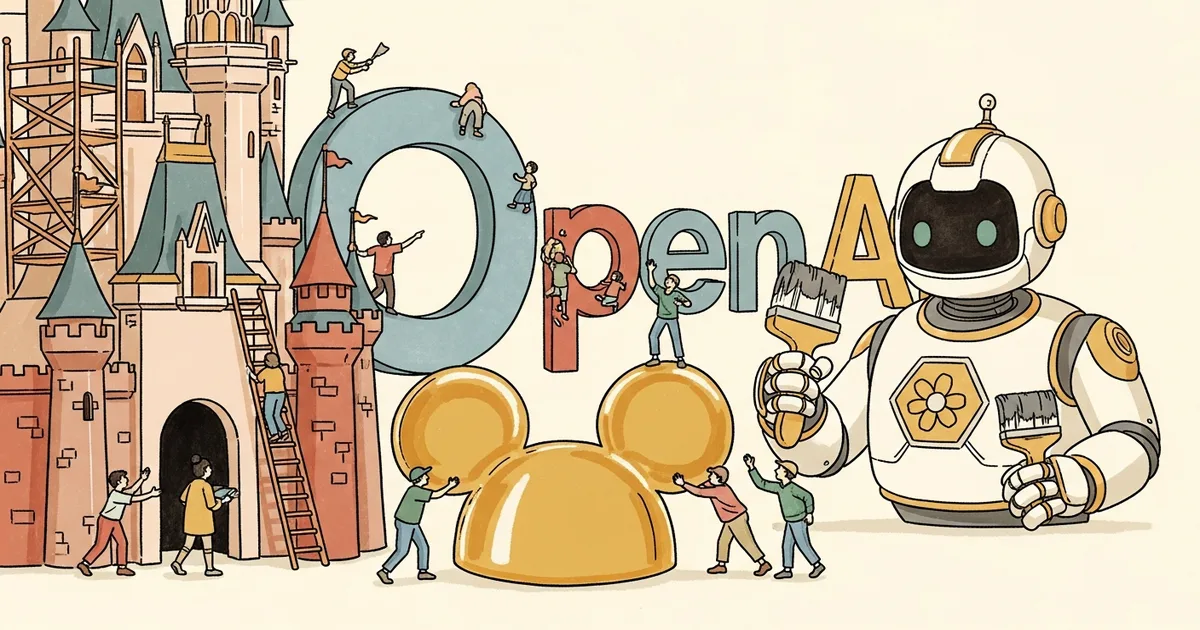
- Disney, which was running an active enterprise pilot of Sora for marketing and VFX work with a spring launch anticipated, learned of the shutdown less than an hour before the public announcement.
- OpenAI redirected Sora’s freed-up compute to an internal model codenamed “Spud,” aimed at coding and enterprise use cases in direct response to Anthropic’s competitive moves.
- The Disney-OpenAI relationship is now described as “effectively dormant” following the shutdown.
What Happened
The Wall Street Journal published an investigation into the shutdown of Sora, OpenAI’s AI video generator, with details summarized by The Rundown on March 31, 2026. According to the reporting, Sora was consuming compute at a scale that cost the company “roughly a million dollars a day.” The shutdown came abruptly — Disney, which had an active enterprise pilot of the platform underway, was notified less than an hour before OpenAI made the decision public.
The enterprise pilot involved Disney using Sora for marketing content and visual effects work. A spring 2026 commercial launch had been anticipated before OpenAI terminated the project. The WSJ report also found that training for a next-generation model, Sora 3, had been scheduled to begin at the time of the shutdown — meaning the successor was cancelled before it ever ran.
Why It Matters
Sora launched to significant attention in early 2024, producing some of the most widely circulated AI video demonstrations of that period. Its shutdown marks a strategic reversal: away from consumer-facing video generation and toward enterprise and developer tooling, particularly in coding AI where Anthropic has made strong competitive moves with its Claude model family.
The Disney episode illustrates the operational risk that enterprise customers face when building production workflows around AI products that can be discontinued with minimal notice. Sora had moved beyond a public demo and into an active commercial pilot — making the shutdown timeline notable for any company evaluating AI infrastructure partnerships.
Technical Details
According to the WSJ investigation as reported by The Rundown, Sora’s compute consumption was a central factor in the shutdown decision. The platform was burning roughly $1 million per day and occupying infrastructure that competed for resources with other internal OpenAI priorities. Sora 3 training had been queued and was never initiated following the product’s cancellation.
The compute freed by Sora’s discontinuation was redirected to a project internally codenamed “Spud.” The Rundown’s reporting describes Spud as targeting coding and enterprise applications, developed in direct response to Anthropic’s competitive positioning in those segments. No technical specifications for Spud have been made public, and OpenAI has not officially acknowledged the project by that name.
Who’s Affected
Disney is the most directly named affected party. The company had an active enterprise pilot using Sora for marketing content and VFX workflows, with a spring 2026 commercial deployment anticipated prior to the shutdown. The Rundown’s reporting characterizes the Disney-OpenAI relationship as currently “effectively dormant.”
Developers and enterprise teams that had built workflows around Sora’s capabilities — or anticipated access to a commercial tier — face disruption without a formal migration path or announced replacement. The Rundown’s authors note that the handling of the Disney relationship is an unusual approach to what they describe as a potential $1 billion partnership, though the precise contracted value of the deal was not confirmed in the available reporting.
What’s Next
As of April 2, 2026, OpenAI has not publicly announced a successor to Sora or a roadmap for video generation. The internal “Spud” model has not been officially named, detailed, or given a release timeline — its existence was disclosed through the WSJ’s investigation, not through any OpenAI announcement.
The Disney situation may influence how enterprise buyers assess vendor reliability when evaluating AI platforms for production use cases. Author details for the original Wall Street Journal investigation were not available in the source material at time of publication.