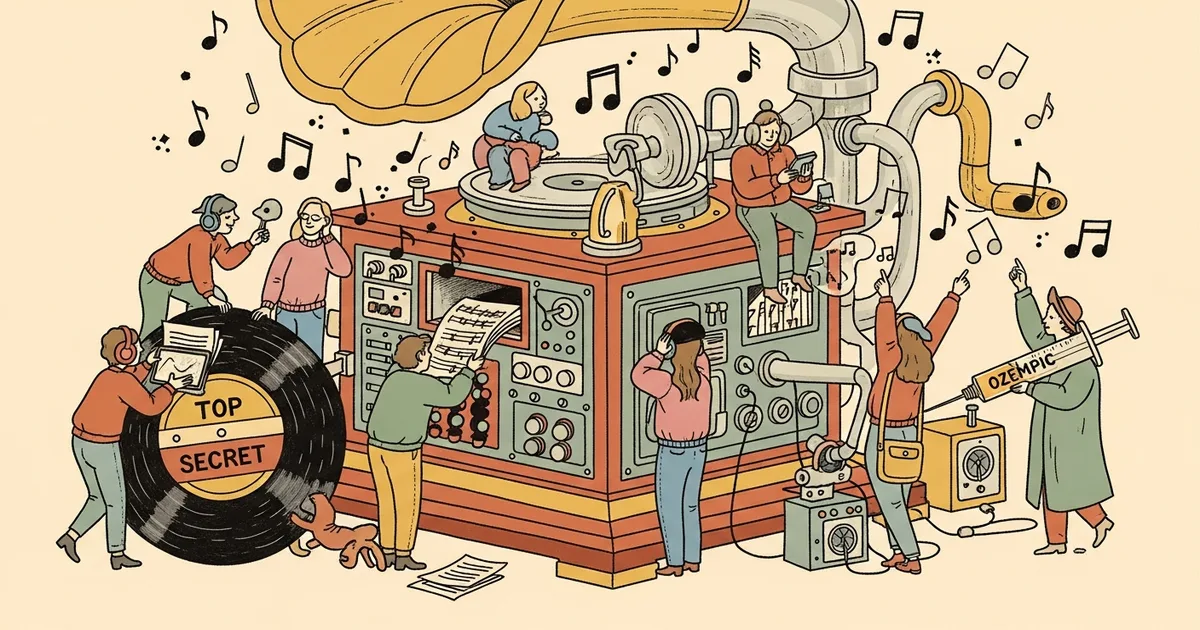
The use of AI music generators in professional music production is reportedly increasing, with top producers and songwriters integrating the technology into their creative processes while largely remaining silent about it. This trend, highlighted in research by Rolling Stone, suggests a quiet adoption driven by efficiency gains, even as concerns about public perception persist. The shift is particularly notable within the hip-hop genre, where AI-generated samples are reportedly becoming a prevalent alternative to traditional licensed recordings.
According to Young Guru, Jay-Z’s long-time sound engineer, over 50% of sample-based hip-hop productions now utilize AI-generated retro samples. This represents a significant departure from previous industry practices, which typically involved licensing original recordings. The adoption of AI tools allows for the rapid creation of new sonic textures and loops, potentially bypassing the often complex and costly process of sample clearance.
The integration of AI generators has reportedly accelerated the production workflow for established songwriters. Demos that previously required hours to complete can now be generated in minutes, offering a substantial increase in creative output speed. This efficiency gain allows artists and producers to iterate on ideas more rapidly and explore a wider range of musical concepts within a shorter timeframe.
While established creatives are leveraging these tools, the expanding role of AI in music production is reportedly impacting other industry roles. Session musicians, studio assistants, and second-tier writers are experiencing a reduction in opportunities as AI systems take on tasks traditionally performed by human talent. This shift raises questions about the evolving landscape of employment within the music industry.
The discreet adoption of AI tools by hitmakers suggests a strategic move to capitalize on technological advantages while navigating potential public and artistic backlash. The industry’s quiet embrace of these generators indicates a recognition of their utility, even as the broader implications for creative authorship and human contribution continue to be assessed. For further details, refer to the original report by The Decoder.
Future discussions within the music industry may need to address the transparency of AI tool usage and its impact on the livelihoods of various creative professionals, particularly as the capabilities of these generators continue to advance.