Dean Forbes, CEO of industrial software provider Forterro, described AI-driven job displacement fears as “an overreaction” during a Bloomberg appearance on March 30, 2026. Forbes argued that the technological shift AI has brought to the software industry presents “an opportunity” for companies like Forterro rather than a threat.
Forterro provides enterprise resource planning (ERP) software to mid-market industrial companies. Forbes’s perspective reflects the experience of vertical software providers that see AI as an enhancement to existing products rather than a replacement for them. Industrial ERP systems handle complex manufacturing, supply chain, and compliance workflows where human oversight remains essential.
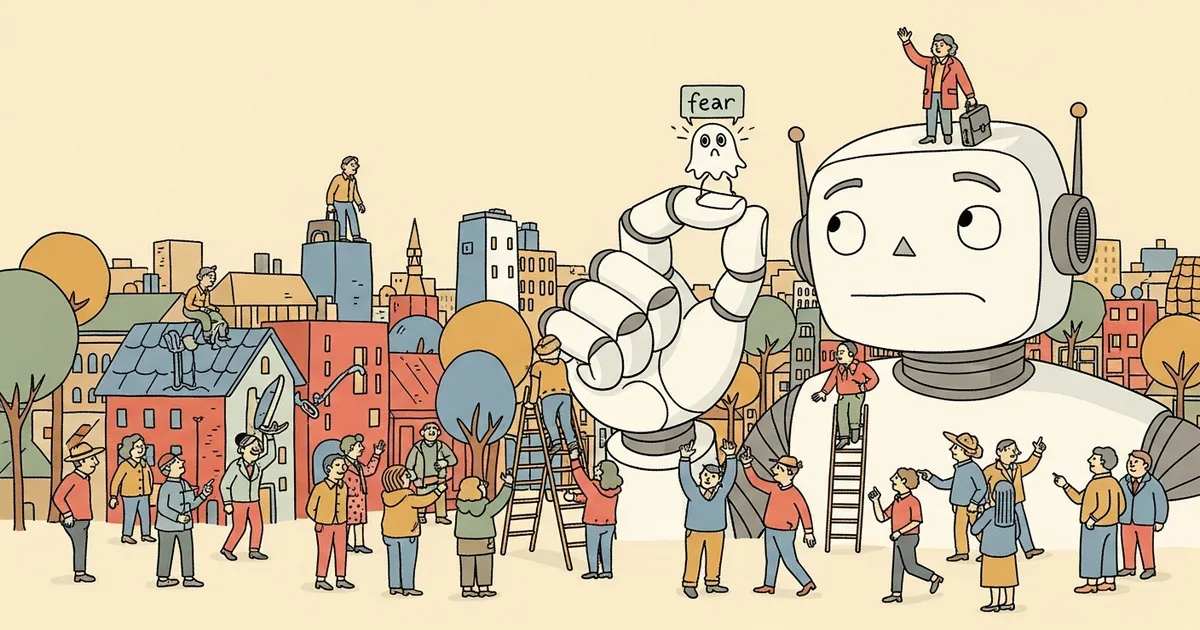
Forbes’s position contrasts with the Quinnipiac poll released the same week showing more than half of Americans believe AI is likely to harm them. The divergence between executive optimism and public anxiety has become a defining feature of the AI discourse in 2026, with company leaders consistently framing AI as opportunity while their potential customers and employees express growing concern.
The “overreaction” framing has limits. While AI may not replace entire software companies, it is already reducing headcount in specific functions — code generation, customer support, content creation, and data analysis are all seeing measurable workforce reductions at companies that have adopted AI tools. The question is not whether AI eliminates some jobs but whether the new opportunities it creates are accessible to the workers it displaces.