Walt Disney Company has begun embedding generative AI across its entire operating structure — not as pilot projects but as fundamental business integration. A new Office of Technology Enablement (OTE) oversees enterprise-wide AI adoption across production workflows, content personalization, marketing, and theme park operations.
Where AI Is Already Running
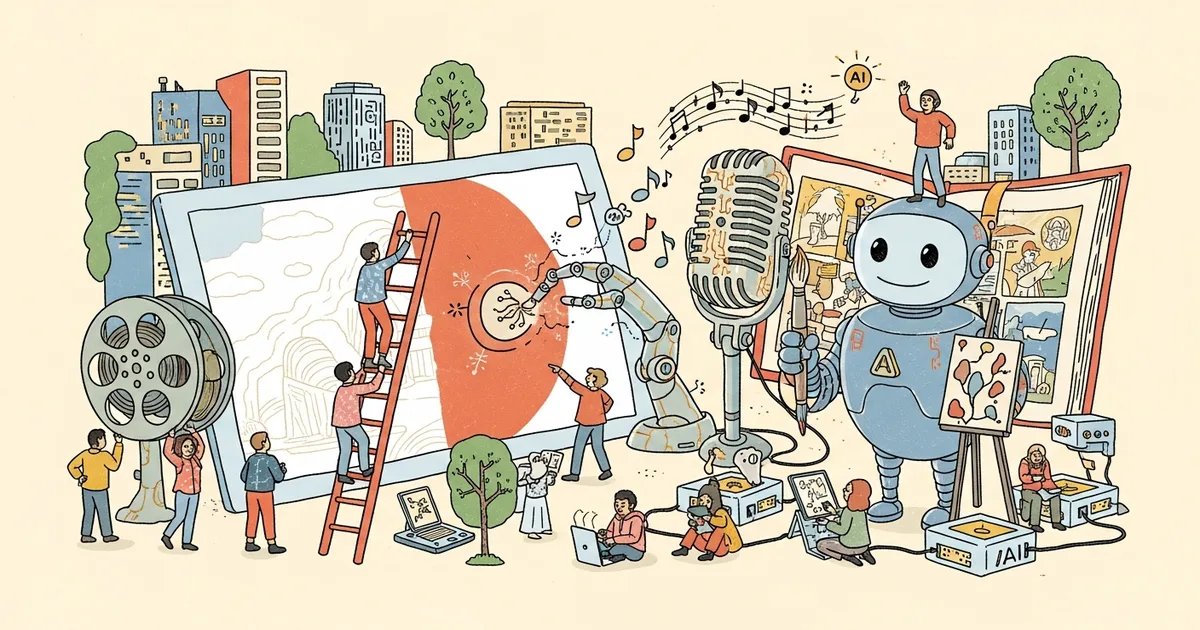
Disney’s $1 billion equity investment in OpenAI included a three-year licensing deal allowing Sora to generate short user-prompted social videos featuring more than 200 Disney, Marvel, Pixar, and Star Wars characters. A partnership with startup Animaj cut short-form animated content production from 5 months to 5 weeks. AI handles “motion in-betweening” — drawing the frames between key poses that human animators traditionally produced by hand.
On the advertising side, Disney launched a new AI video generation tool for brands. Advertisers can create connected-TV-ready commercials using brand assets without traditional production shoots. The tool targets the $8 billion Disney captures annually in advertising revenue.
The Creative Industries Warning
The UK House of Lords published a report on March 6, 2026, titled “AI, copyright and the creative industries” warning that creative industries face “a clear and present danger” from uncredited, unremunerated use of copyrighted material to train AI models. The report recommended the UK government rule out new commercial text and data mining exceptions with opt-out models.
Disney sits at the center of this tension. The company’s brand was built on human artistry — hand-drawn animation, Pixar’s craft, theme park imagineering. Using AI to compress production from 5 months to 5 weeks saves money but raises the question of whether the output carries the same creative quality that built a $200 billion enterprise. The animators and artists whose work trained the AI models that now automate their tasks have not been compensated for that training contribution.