- Anthropic launched Computer Use and Dispatch for Claude on March 23, 2026, enabling autonomous control of macOS desktops through mouse, keyboard, and screen interaction.
- Dispatch lets users assign tasks from their iPhone via QR code pairing, with Claude executing on the desktop and returning results to the phone.
- Sonnet 4.6 hit 72.5% on OSWorld-Verified, matching human expert performance at 72.4%, with a 40% reduction in error rates compared to the initial Computer Use release.
What Happened
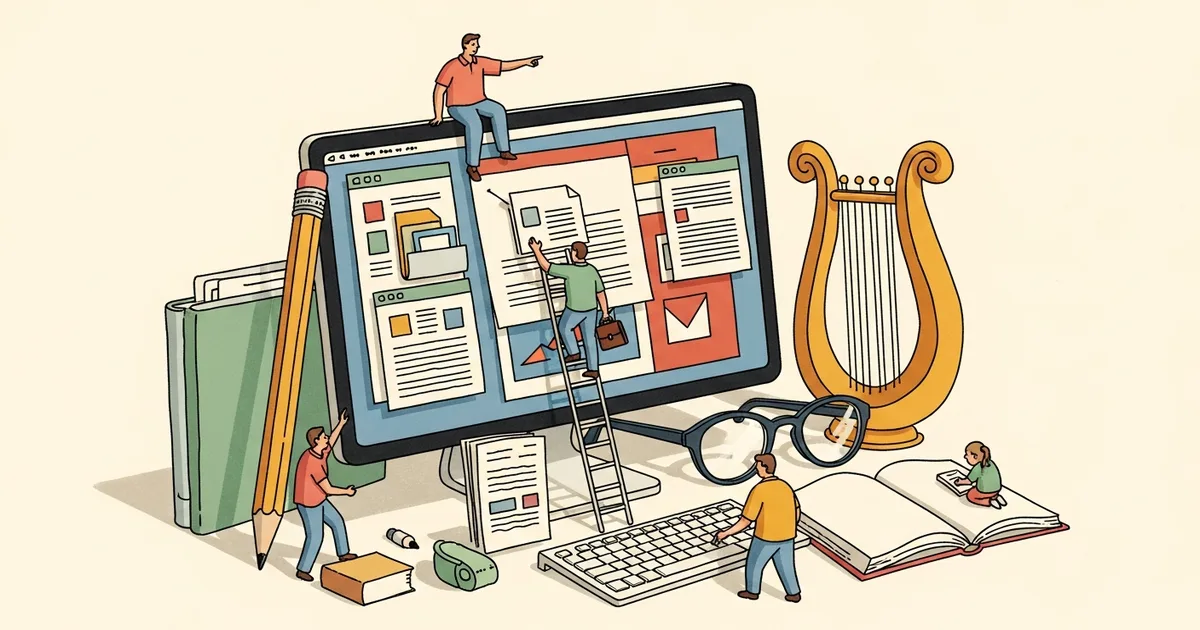
Anthropic launched two features on March 23, 2026: Computer Use and Dispatch. Computer Use gives Claude the ability to autonomously control macOS desktops by opening applications, navigating browsers, filling spreadsheets, and completing multi-step tasks. Dispatch pairs an iPhone with a Mac via QR code, allowing users to text Claude instructions from their phone and receive completed results when the tasks finish.
The setup requires enabling Computer Use in Claude Desktop settings and granting macOS Accessibility and Screen Recording permissions. Claude operates through a priority hierarchy: when direct integrations exist, such as Slack connectors or Google Calendar APIs, it uses those first. When no integration is available, Claude falls back to screen control, reading pixels, moving the mouse, clicking buttons, and typing text.
Why It Matters
Computer Use represents a shift from AI as a conversational tool to AI as a desktop worker. The use case for Dispatch is straightforward: assign research, data entry, or multi-app workflows before leaving your desk and find them completed when you return. This replaces much of what the “$600 AI Mac Mini” trend promised, a dedicated machine running AI tasks autonomously, at the cost of a Claude subscription.
Anthropic’s approach includes multiple safety layers: scanning model activations for prompt injection, requiring explicit user permission before accessing new applications, and restricting certain applications by default. Users can stop Claude at any time during execution. The system is designed so that Claude cannot take actions the user has not authorized, even if a malicious website or document attempts to hijack the session through prompt injection.
Technical Details
The March 2026 update reduced error rates approximately 40% on desktop application interactions compared to the initial Computer Use release. Sonnet 4.6 achieved 72.5% on OSWorld-Verified, matching human expert performance at 72.4% and scoring 94% on the Pace Insurance Benchmark for computer use tasks.
Screen-based interaction remains inherently slower than direct API integrations. Claude reads the screen as pixels and navigates by moving a virtual cursor, which introduces latency compared to direct API calls that complete in milliseconds. Complex tasks sometimes require second attempts. Anthropic’s documentation states: “Computer use is still early compared to Claude’s ability to code or interact with text. Claude can make mistakes, and while we continue to improve our safeguards, threats are constantly evolving.”
Who’s Affected
Computer Use and Dispatch are available in research preview for Claude Pro ($20/month) and Max plan subscribers. macOS is the only supported platform currently, with no Windows or Linux support. The Mac must stay awake with the screen unlocked for Dispatch to work, which creates a physical security consideration that Anthropic acknowledges but does not fully resolve.
For individual professionals and small teams, the feature eliminates the need for separate automation tools like Keyboard Maestro or custom AppleScript workflows for repetitive desktop tasks. Tasks that previously required scripting knowledge, such as batch-renaming files across folders, extracting data from PDFs into spreadsheets, or filling web forms from a data source, can now be described in plain language and delegated.
Enterprise adoption will likely depend on whether Anthropic extends platform support beyond macOS and addresses the screen-unlocked requirement. Organizations with strict endpoint security policies may find the Accessibility and Screen Recording permissions incompatible with their existing security frameworks.
What’s Next
Computer Use is positioned as a research preview, not a finished product. The 72.5% accuracy on OSWorld means roughly one in four complex desktop tasks still fails. For simple, well-defined tasks like filling forms or extracting data, the success rate is higher. For multi-step workflows that span multiple applications, failures compound with each additional step.
Expanding beyond macOS to Windows and Linux, reducing the error rate on multi-step workflows, and resolving the physical security limitation of requiring an unlocked screen are the next milestones that will determine whether Computer Use becomes a standard feature or remains a technical demonstration.