AI-generated music artist Tilly Norwood and the company behind her released a new music video directly addressing critics of AI-generated art. Meanwhile, Disney signed a three-year deal to bring its characters to OpenAI’s Sora video generator. The entertainment industry’s relationship with AI shifted from debate to deployment this week.
The Tilly Norwood Video
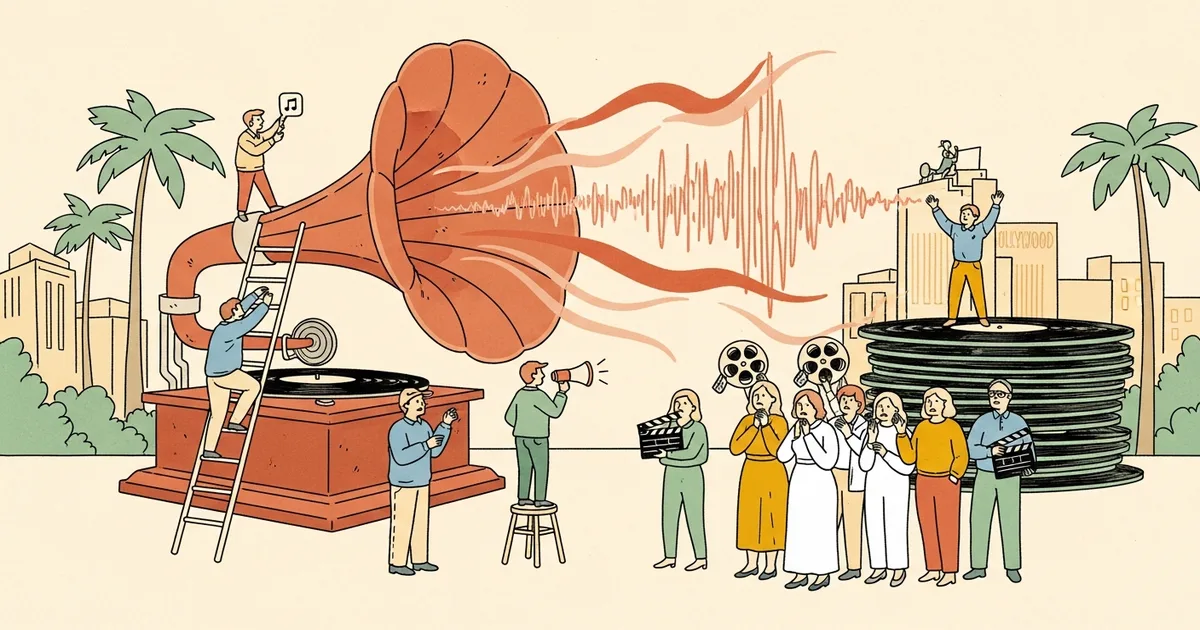
Tilly Norwood isn’t a person — she’s a fully AI-generated music artist with a synthetic voice, AI-generated visuals, and algorithmically composed tracks. The new video features Norwood directly addressing accusations that AI art lacks authenticity, creativity, and soul. The video itself demonstrates the production quality gap that has closed: without disclosure, most viewers wouldn’t identify it as AI-generated.
Norwood’s catalog generates revenue through standard streaming platforms — Spotify, Apple Music, YouTube — alongside human artists. She has no manager, no studio costs, no tour logistics, and no contract negotiations. The economics are obvious: near-zero marginal cost per release.
The Disney-Sora Deal
Disney’s three-year agreement with OpenAI allows Disney characters to appear in content generated through Sora‘s video platform. The deal reportedly includes:
- Licensed character models for Sora’s generation pipeline
- Revenue sharing on commercial content featuring Disney IP
- Content moderation requirements to maintain brand standards
For Disney, this is a licensing play — earning revenue from AI-generated content featuring its characters rather than fighting it. For OpenAI, it’s a legitimacy play — having Disney’s IP endorsement makes Sora a credible production tool rather than a novelty.
The Copyright Debate
The fundamental legal question remains unresolved: can AI-generated works be copyrighted? The US Copyright Office has consistently ruled that works created entirely by AI without meaningful human authorship cannot receive copyright protection. This creates a paradox for artists like Tilly Norwood — commercially successful but potentially unprotectable.
SAG-AFTRA’s position is clear: AI-generated performances that replicate human artistry without consent, compensation, or credit are unacceptable. But Tilly Norwood doesn’t replicate anyone — she’s a novel creation. The union’s framework doesn’t cleanly address AI artists that don’t imitate existing performers.
What This Changes
The music industry has already accepted AI as a production tool — AI mastering, AI-assisted composition, and AI vocal processing are standard. Tilly Norwood represents the next step: AI as the artist itself. If audiences accept AI advice without question, they may also accept AI entertainment without distinction. The question isn’t whether AI artists will exist alongside human ones — they already do. The question is how the economics of an industry built around human scarcity adapt when creation has near-zero marginal cost.