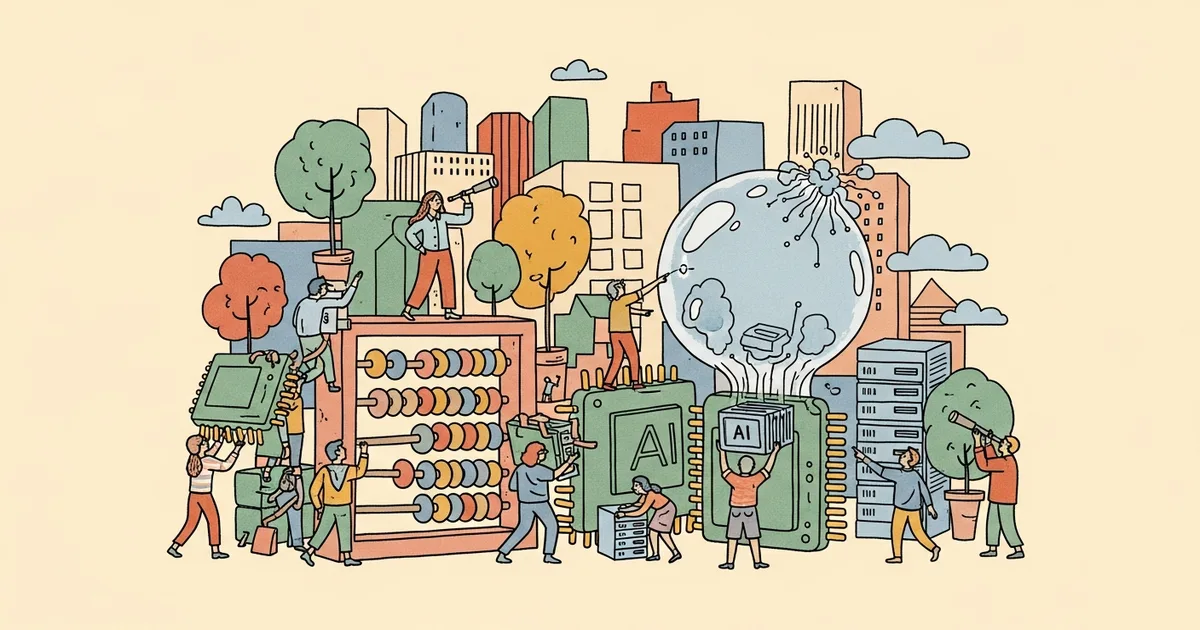
- Microsoft CFO Amy Hood is managing one of the largest capital expenditure programs in tech history, with the company spending tens of billions on AI data centers.
- Hood made a controversial decision to pause some data center development in 2025, raising questions about whether AI demand projections are meeting reality.
- Tech industry observers are drawing parallels to the dot-com bubble, questioning whether current AI infrastructure spending can generate adequate returns.
- Microsoft’s AI partnership with OpenAI remains central to its strategy, but the company is also investing in its own model development and Azure AI services.
What Happened
Microsoft CFO Amy Hood is at the center of one of the most consequential financial decisions in the AI industry: how much to spend building AI infrastructure, and when to pull back. According to a Bloomberg feature published on April 1, 2026, Hood made a controversial call last year to pause some data center construction projects, even as competitors continued to accelerate spending.
The decision put Hood at odds with the prevailing narrative that AI infrastructure is a build-it-and-they-will-come opportunity. Microsoft CEO Satya Nadella has publicly stated that demand for AI compute is outstripping supply, making Hood’s pause all the more notable.
Why It Matters
Microsoft’s capital expenditure on AI-related infrastructure exceeded $50 billion in fiscal year 2025, a figure that dwarfs what most tech companies spend in total. The company’s spending trajectory has become a bellwether for the entire AI infrastructure buildout. When Hood paused construction on some projects, it sent a signal that even the most committed AI investors are watching demand curves carefully.
The broader context is a growing debate about whether AI infrastructure spending resembles the fiber optic and data center overbuild of the late 1990s. Analysts at investment banks including Goldman Sachs and Barclays have published reports questioning whether current AI capex levels can produce returns sufficient to justify the investment.
Technical Details
Microsoft’s AI infrastructure spending spans data center construction, GPU procurement from Nvidia and AMD, custom silicon development through its Maia AI accelerator chips, and networking equipment. The company’s Azure cloud platform is the primary delivery mechanism for AI services to enterprise customers. Azure AI revenue grew more than 150 percent year-over-year in the most recent reported quarter, but critics argue the growth rate needs to sustain for years to justify the cumulative investment.
Hood’s decision to pause data center development last year reportedly affected two to three planned facilities in the United States and Europe. The projects were not canceled but delayed, allowing Microsoft to reassess demand signals before committing additional capital.
Who’s Affected
Microsoft shareholders are directly exposed to the outcome of Hood’s capital allocation decisions. Cloud customers relying on Azure for AI workloads could see capacity constraints if the pause leads to supply shortfalls. Construction firms and equipment suppliers in the data center ecosystem face order uncertainty. Competitors including Amazon Web Services and Google Cloud are watching Microsoft’s spending signals to calibrate their own investment plans.
What’s Next
Microsoft’s fiscal third-quarter earnings report, expected in late April, will provide updated capital expenditure guidance and Azure AI revenue figures. Hood’s commentary on the earnings call about the pace of data center construction will be closely watched by investors. The broader question—whether the AI infrastructure buildout is sustainable or speculative—will likely take several more quarters of revenue data to resolve.