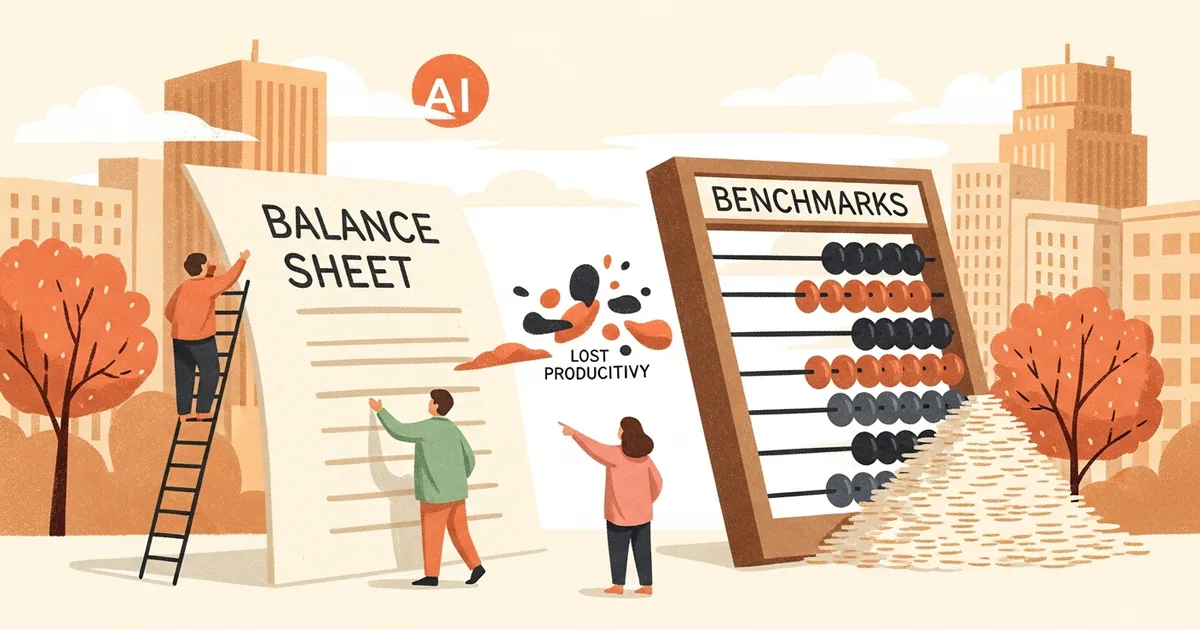
Canadian technology stocks are poised to record their most significant quarterly decline since 2022, driven by investor concerns regarding artificial intelligence (AI) disruption and geopolitical instability in the Middle East. This downturn has redirected capital flows towards energy sectors, impacting the software-heavy Canadian tech market, as reported by Bloomberg on March 31, 2026.
The S&P/TSX Capped Information Technology Index has experienced a decline of approximately 8.5% this quarter. This performance contrasts sharply with the broader S&P/TSX Composite Index, which has seen a modest gain of 1.2% over the same period. The divergence highlights a sector-specific retrenchment within the Canadian market.
Investor sentiment has been particularly affected by the rapid advancements in AI, leading to re-evaluations of long-term growth prospects for established software companies. Many firms are facing increased pressure to demonstrate how they will integrate AI into their offerings or risk obsolescence, contributing to market uncertainty.
For instance, Shopify Inc., a prominent Canadian tech firm, has seen its stock price fall by over 15% this quarter. This decline reflects broader market anxieties about competitive pressures and the capital intensity required to adapt to evolving technological landscapes, including AI integration.
The shift in investment strategy is also evident in the energy sector, which has benefited from rising commodity prices exacerbated by the Middle East conflict. The S&P/TSX Capped Energy Index has surged by approximately 18% this quarter, attracting capital away from technology stocks.
According to market analyst Sarah Chen at Northwood Capital, “The current environment presents a dual challenge for Canadian tech. They are navigating both the transformative potential and disruptive risks of AI, while simultaneously competing for capital against resurgent traditional sectors like energy.”
This quarter’s performance marks a notable shift from previous periods of robust growth for Canadian tech. The sector had largely outperformed the broader market in recent years, fueled by strong demand for software and digital services.
Companies within the Canadian tech sector are now under increased scrutiny to articulate clear strategies for leveraging AI and demonstrating resilient business models in a volatile global economic climate. Future performance will likely hinge on their ability to adapt to these evolving market dynamics.